Bespoke private journeys and tours to explore Siam
Our bespoke programmes are designed for discerning travellers seeking private cultural experiences, carefully crafted away from conventional itineraries. They invite guests to discover not only contemporary Thailand, but also Siam in its historical and cultural depth, shaped since the foundation of the Kingdom of Sukhothai in the 13th century. History, landscapes, communities, arts, craftsmanship, traditions, festivals, gastronomy, and architecture all become keys to understanding a territory that is complex, refined, and alive.
A Cultivated Reading of the Territory
Itineraries Designed to Understand Siam
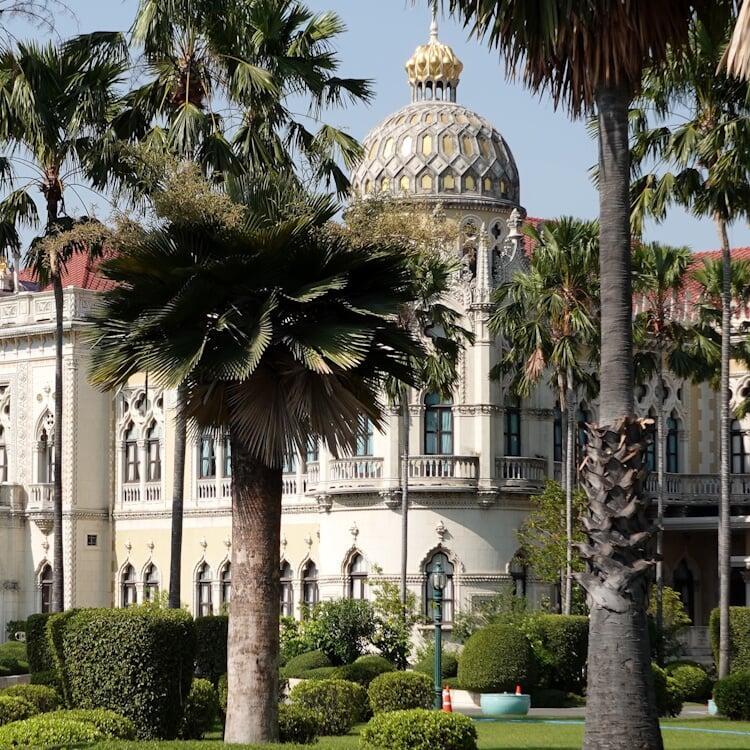
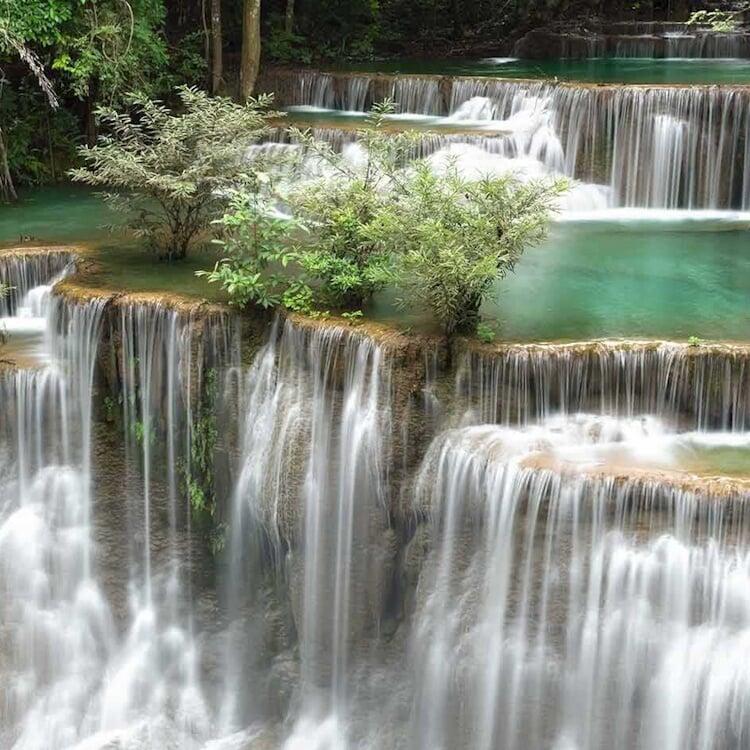
In Bangkok as well as across the kingdom’s great regions, Rock Around Siam programmes are intended for travellers who wish to discover Thailand with depth, method, and a strong sense of context. From Rattanakosin to Ayutthaya, from Sukhothai to Kanchanaburi, from the North and Isaan to the shores of the Andaman Sea, each itinerary is designed as a fluid, structured, and deeply immersive journey, attentive to heritage, landscapes, local communities, and the historical understanding of the places explored.
A Collection of Tailor-Made Cultural Journeys
This catalogue brings together cultural walks lasting a few hours, themed day experiences, cycling, walking and tuk-tuk itineraries, as well as multi-day programmes, all designed to adapt to the pace and expectations of each traveller. Certain formats, such as Bangkok As You Like It, offer complete freedom of customisation. Each experience is crafted according to the group’s interests, preferences, and rhythm, with the same commitment to careful curation, coherence, and personalised guidance.
A Certain Vision of Travel in Thailand
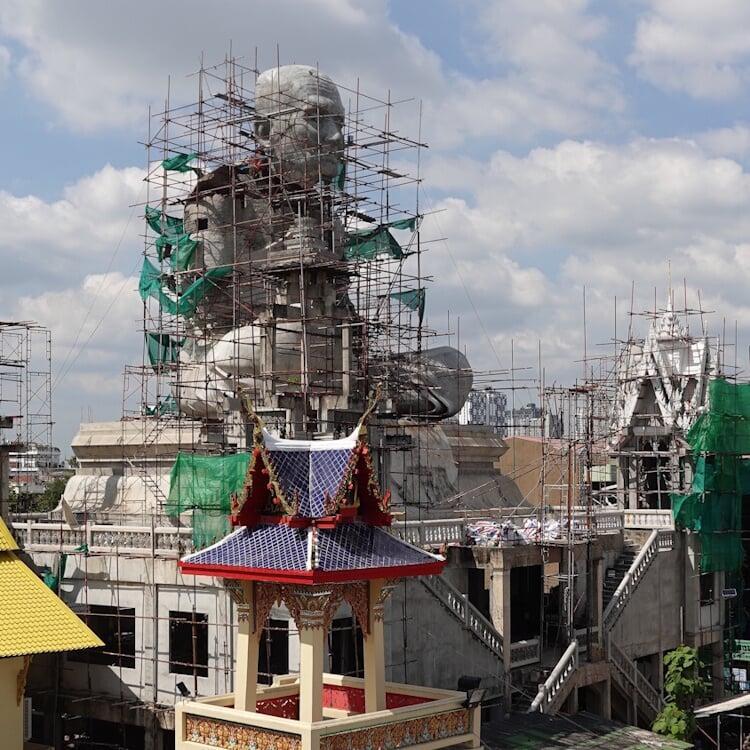
Through the programmes we design and offer, Rock Around Siam advocates an approach to travel in which culture becomes the privileged gateway to Thailand. Far removed from superficial travel experiences, this vision promotes a more meaningful, nuanced, and insightful discovery of the country and the singularity that defines it. It is intended for travellers for whom comfort cannot be separated from meaning, and who seek bespoke experiences that are at once elegant, enriching, and lastingly memorable.
Bangkok — The Last Capital of Siam
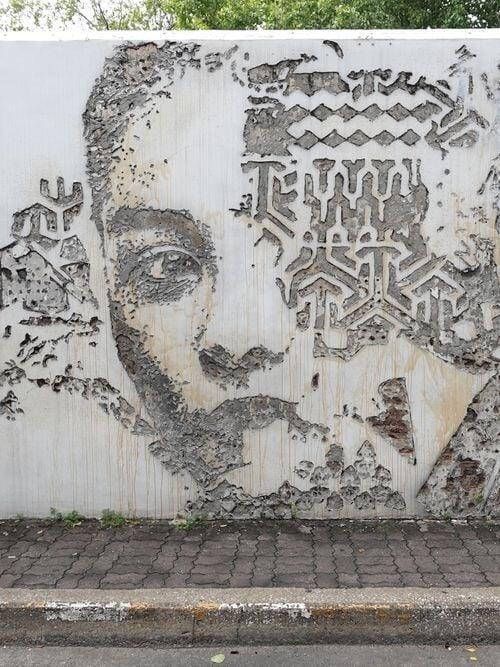
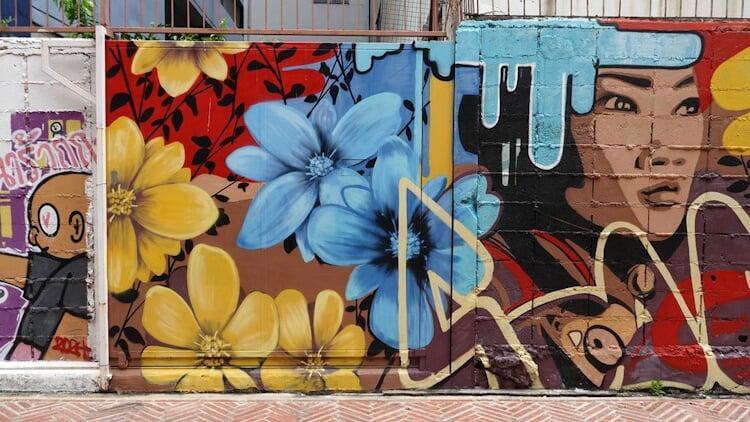
Rock Around Creative District
Duration: 5 to 8 hours.
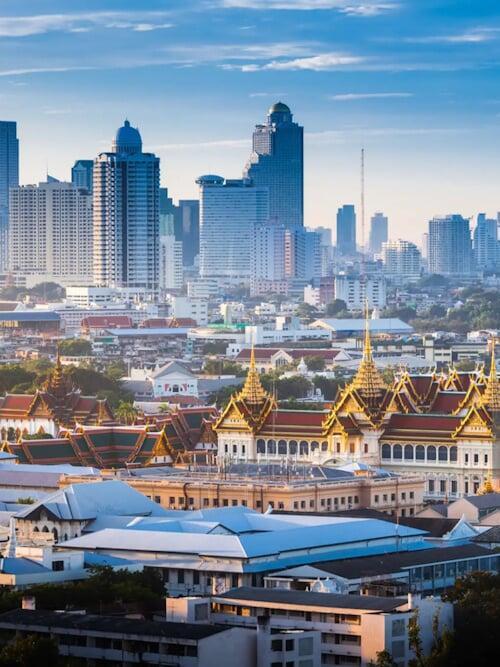
Rock Around Rattanakosin
Duration: 5 to 8 hours.
Walking tour or spacious electric tuk-tuk option available for guests with reduced mobility.
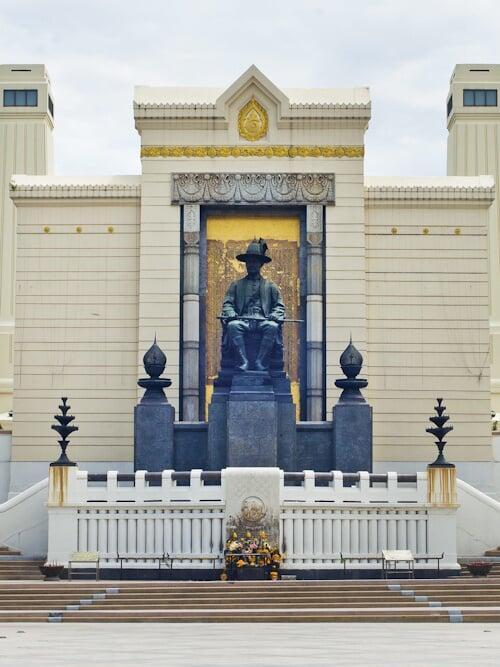
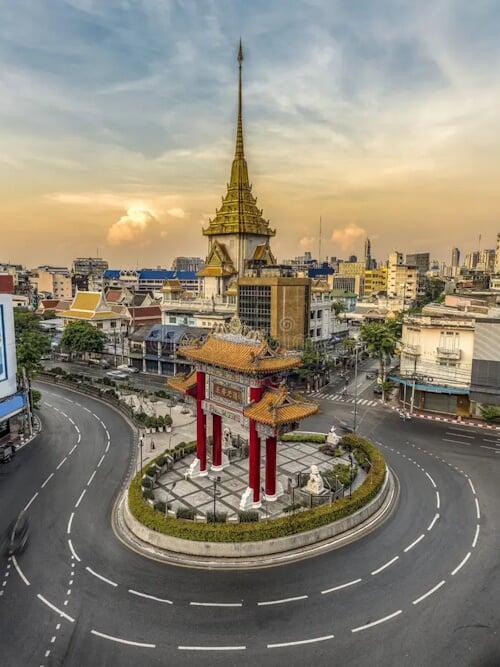
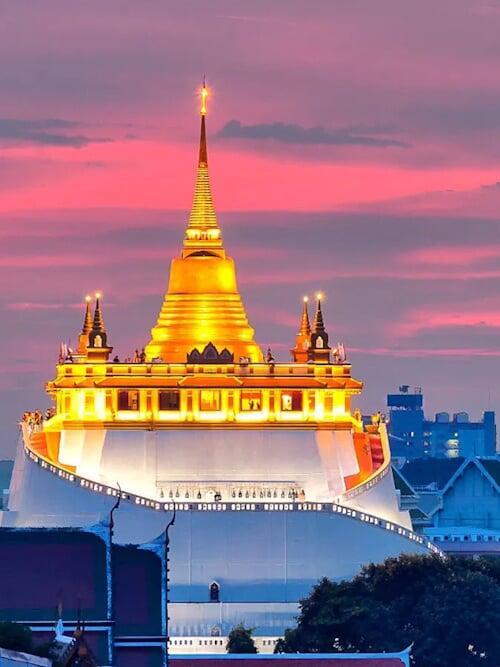
10 sites to visit: Mahakan Fort (starting point); Uthokthan Shrine; Wat Ratchabophit Temple; Giant Swing; Chao Phraya Sky Park; King Rama I Monument; Kudi Chin District; Rajinee Viewpoint; Phra Sumen Fort; Wat Saket and the Golden Mount (end point).
This tour is also available as an audio-guided experience via our website siamnity.app
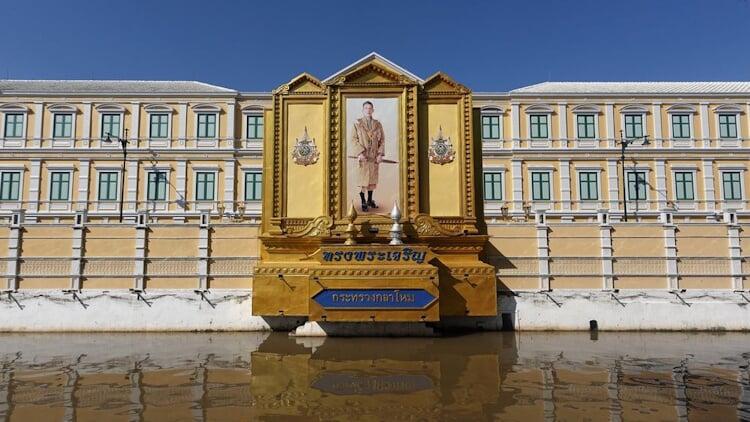
The central thread of the itinerary lies in understanding the obsession of the ruling elites of the period with securing the capital of Siam against its hereditary Burmese enemy, following the trauma caused by the destruction of Ayutthaya in 1767 by the powerful Burmese army.
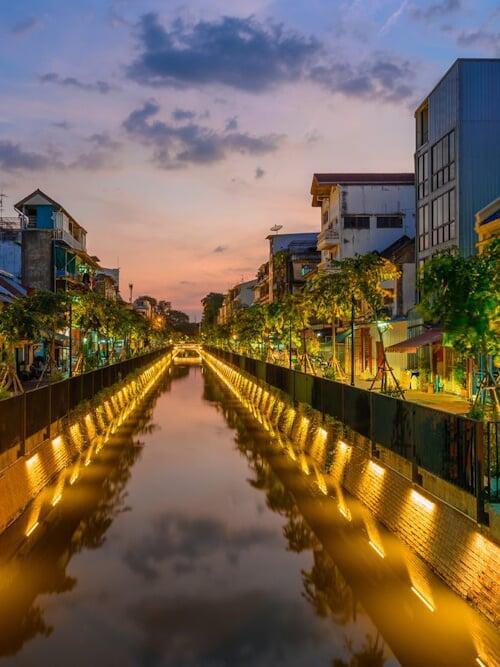
The route follows the construction and evolution of the royal city of Rattanakosin, founded in 1782 by General Chakri, the future King Rama I. It examines the structure of this citadel, conceived on the insular model of Ayutthaya and organised around Mount Meru placed at its symbolic centre. Fortifications, cannons, canals, gateways, temples, centres of political, religious, and military power, tributes paid to the river, urban planning, and architectural evolution: each stage sheds light on the reconstruction of Siam after the fall of Ayutthaya, the consolidation of the Chakri monarchy, and the successive transformations that shaped Bangkok from its foundation through the end of the absolute monarchy in 1932, and up to the present day.
Conceived as a historical immersion spanning from the late eighteenth century to the mid-twentieth century, Rock Around Rattanakosin goes far beyond a simple historical tour. It offers a genuine interpretation of the foundation and transformation of Rattanakosin, the last capital of Siam, into Bangkok, the first and current capital of Thailand.
Rock Around Rattanakosin is intended for travellers with a curiosity for history, urban planning, architecture, and politics, who wish to understand Bangkok beyond its iconic landmarks. This experience is particularly suited to heritage enthusiasts seeking a nuanced, contextualised, and intellectually engaging understanding of the foundation of modern Siam in its political, religious, and territorial dimensions.
Rock Around Bang Krachao
Duration: 5 to 8 hours.
This tour is also available as an audio-guided experience via our website siamnity.app
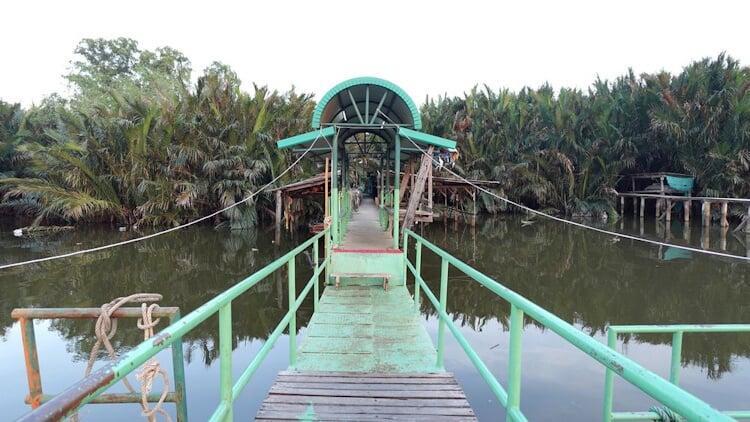
Located within a vast 19-kilometre bend of the Chao Phraya River, this green enclave offers a striking counterpoint to the density of the capital. It provides an opportunity to explore Bangkok through the lens of sustainable development, through the history of the Mon community from Burma that settled there at the end of the 18th century, as well as through a number of sustainable initiatives implemented in the area, including agroforestry, ecology, self-sufficiency economy, flood management, and the north–south road connectivity of Bangkok.
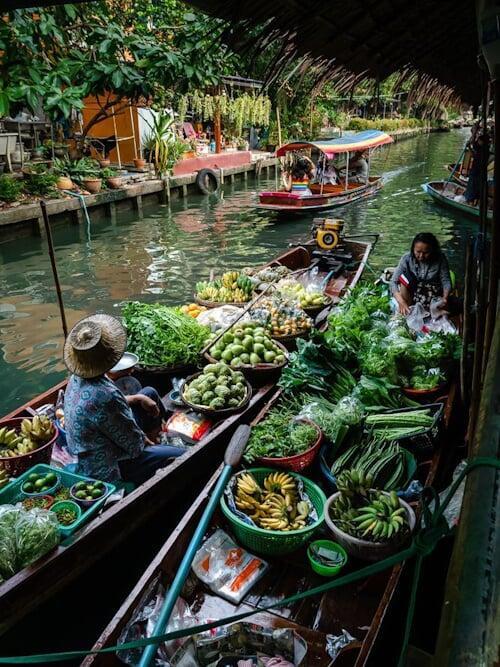
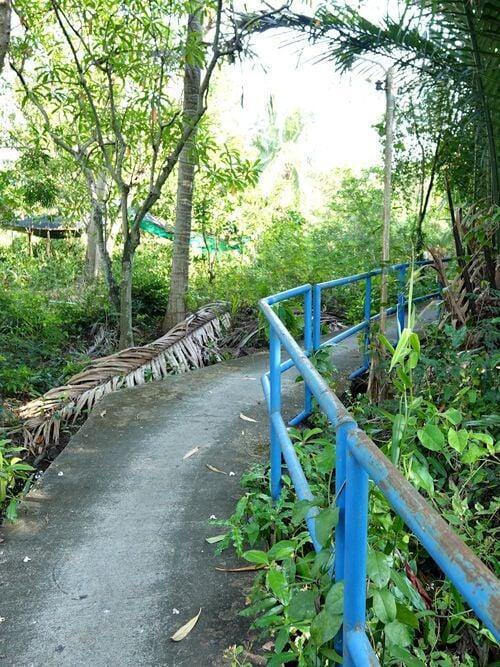
The route passes through an environment of narrow elevated pathways immersed in dense vegetation, above equally narrow canals, botanical gardens, lakes, temples, small villages, and agricultural spaces. There is even a floating market. One of the highlights of the day is the visit to a Buddhist temple specialising in plastic collection and recycling, transforming waste into monk robes and other garments. This initiative is now officially regarded by Buddhists as a meritorious act.
Throughout the day, the itinerary reveals how Bang Krachao emerged as a distinct territory, surrounded by fragile mangroves and shaped by the history of the Mon community, semi-rural ways of life, environmental preservation challenges, and practical applications of the Sufficiency Economy philosophy.
More than simply a green escape, Rock Around Bang Krachao offers a thoughtful reflection on the relationship between the city, urban planning, water, biodiversity, infrastructure, and ways of life. The experience also highlights local initiatives, traditional know-how, land-use practices, and agricultural methods that help explain how this area has, so far, resisted large-scale urbanisation.
Rock Around Bang Krachao is designed for travellers drawn to a more organic approach to Bangkok, a genuine urban jungle, and eager to discover a peaceful, eco-innovative, resilient, deeply local territory that remains resolutely off the beaten path.
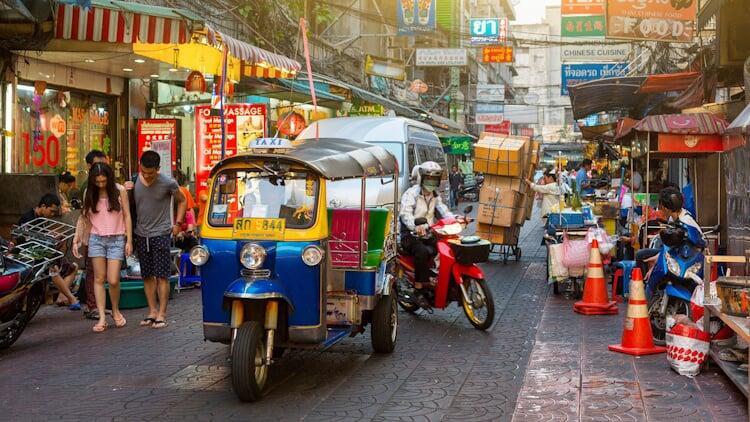
Bangkok As You Like It
Duration: 5 to 8 hours.
Iconic Bangkok
Duration: 6 hours.
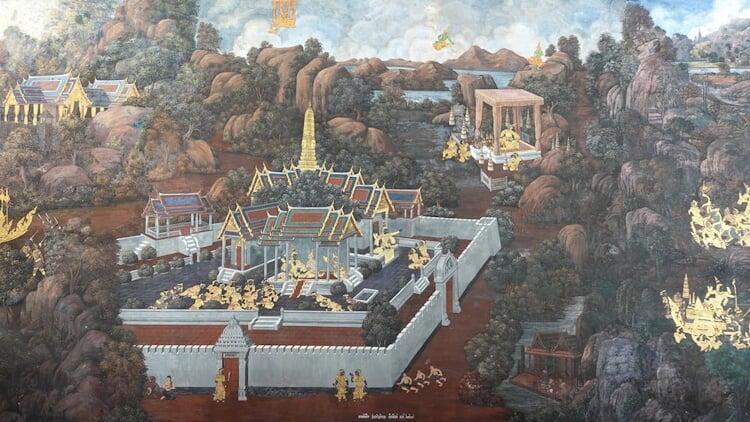
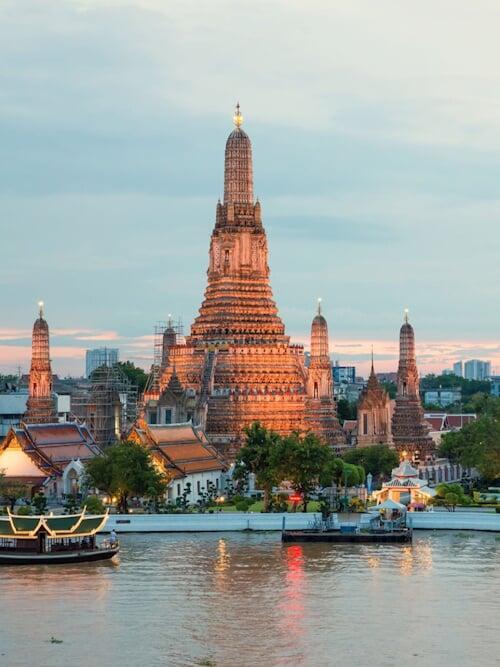
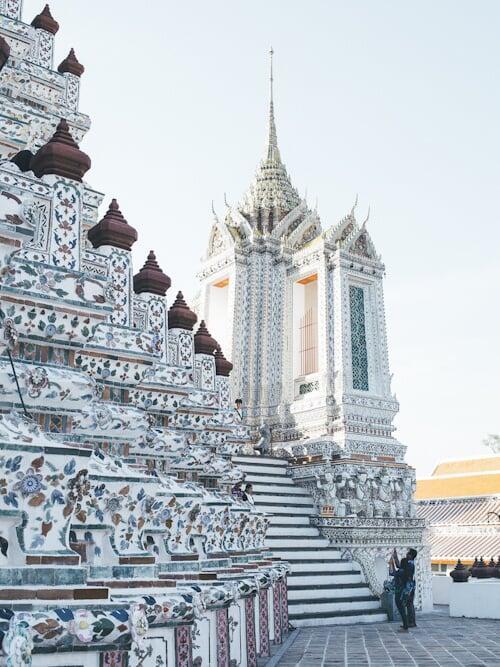
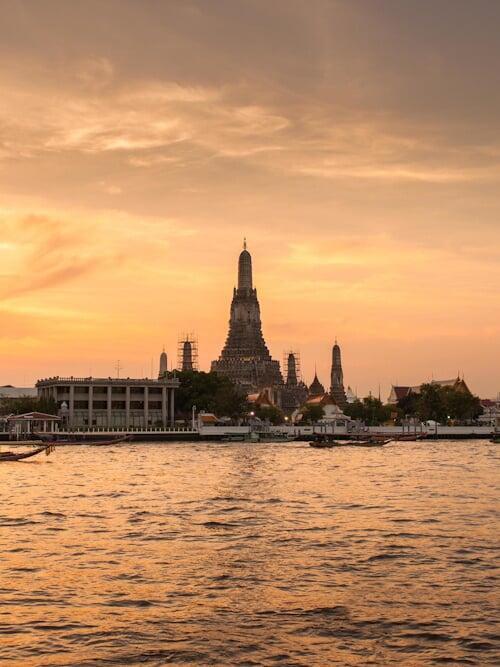
The journey begins at Wat Arun, on the western bank of the Chao Phraya River, within the former capital of Thonburi. The site already existed during the Ayutthaya period, but its political and symbolic importance grew at the end of the eighteenth century, when King Taksin established Thonburi as his seat of power. The temple later acquired its monumental form under the early sovereigns of the Chakri dynasty before being completed during the reign of Rama IV. Its great central prang, now one of Bangkok’s most recognisable visual landmarks, offers a particularly illuminating example of the relationship between Buddhist cosmology, architectural and decorative craftsmanship, royal authority, and the monumental religious ambitions of the Siamese kings.
The tour continues to the celebrated Wat Pho, which occupies a central place in the religious, intellectual, and artistic history of Bangkok. Built on the site of an older monastery dating back to the Ayutthaya era, it was restored and elevated to royal monastery status under Rama I. The temple was later greatly expanded during the reign of Rama III, who ordered the inscription in stone of an extensive body of religious, medical, and literary knowledge. This encyclopaedic dimension explains why Wat Pho is often regarded as a major centre for the transmission of Siamese knowledge. In 1955, the Wat Pho Traditional Medical and Massage School was established there, becoming an international reference for the teaching of nuad thai, now recognised by UNESCO. Inside the temple stands the equally famous Reclining Buddha, approximately forty-six metres long and covered in gold leaf, one of the most iconic images of Thai Buddhism. Created under Rama III, the statue represents the Buddha at the moment of his entry into parinirvāna — his final passing beyond death.
The next stage leads to the Grand Palace, beginning with a visit to Wat Phra Kaew, or the Temple of the Emerald Buddha, founded by Rama I within the royal enclosure after Bangkok became the new capital in 1782. Conceived as a royal chapel, it differs from other Buddhist temples by the absence of a permanent monastic quarter, its primary role being to house the Emerald Buddha, the kingdom’s most sacred image. From the outset, the temple served to affirm the legitimacy of the Chakri dynasty and to place the monarchy under Buddhist protection. Successive monarchs contributed to its embellishment, transforming the complex into a religious, dynastic, and artistic manifesto of the highest order.
Within the temple grounds, particular attention should also be paid to the cloister decorated with murals depicting the 178 episodes of the Ramakien, the Thai version of the Indian Ramayana, as well as the Phra Si Rattana Chedi, the Phra Mondop, the Royal Pantheon, and the scale model of Angkor Wat. The visit is best complemented by two often-overlooked yet highly informative institutions: the Wat Phra Kaew Museum and the Pavilion of Regalia, Royal Decorations and Coins, which offer deeper insight into the symbols and ceremonial culture of the monarchy.
Within the Grand Palace complex also stand several major royal buildings, including the Chakri Maha Prasat Hall, the Dusit Maha Prasat Hall, the Amarindra Vinichai Hall, the Paisal Taksin Hall, and the Chakraphat Phiman Hall. Although not all interiors are open to visitors, the ensemble remains essential for understanding the political, ceremonial, and residential dimensions of the palace, the true nerve centre of the kingdom.
Still within the Grand Palace grounds, just before the exit, the Queen Sirikit Museum of Textiles offers a particularly enlightening perspective for anyone wishing to better understand the place of decorative arts within Thai cultural history. Housed in the Ratsadakorn-bhibhathana Building, constructed in 1870 under Rama V and formerly associated with the kingdom’s financial administration, the museum was established following an initiative launched in 2003 by Queen Sirikit to dedicate the building to the preservation of this heritage.
Tridimensional Bangkok
Duration: 8 hours
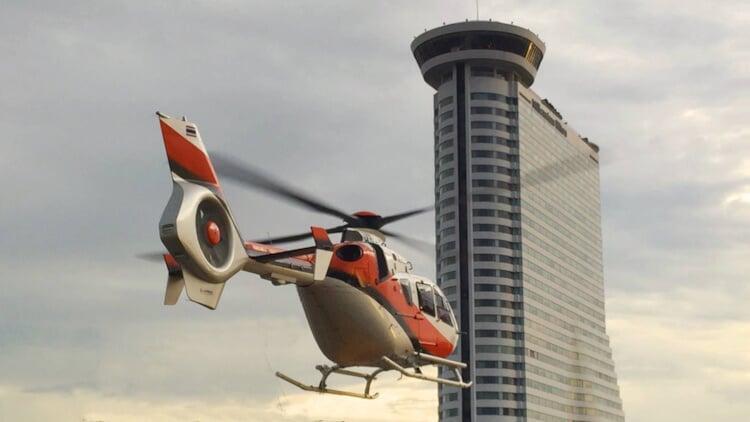
This elemental reading resonates with Buddhist thought, in which earth, water, air, and fire constitute the fundamental components of matter. Here, fire is not approached as an autonomous sequence, but suggested through the light of the setting sun, which completes the experience and gives it full symbolic coherence.
This narrative framework notably introduces the notion of impermanence — anicca in Pāli or anitya in Sanskrit — which expresses the ever-changing nature of all phenomena. From this perspective, nothing is fixed, nothing remains unchanged: forms transform, materials evolve, balances shift. In Buddhism, impermanence is one of the three characteristics of existence, alongside suffering (dukkha) and non-self (anattā).
Within this framework, Bangkok Tridimensional offers an original way of approaching the historical heritage of the capital through a reflection on time, matter, and the forces that shape civilisations. It also invites a broader understanding of heritage itself: what may emerge from very little, what is transmitted, what is continually recomposed, and what remains vulnerable within human societies.
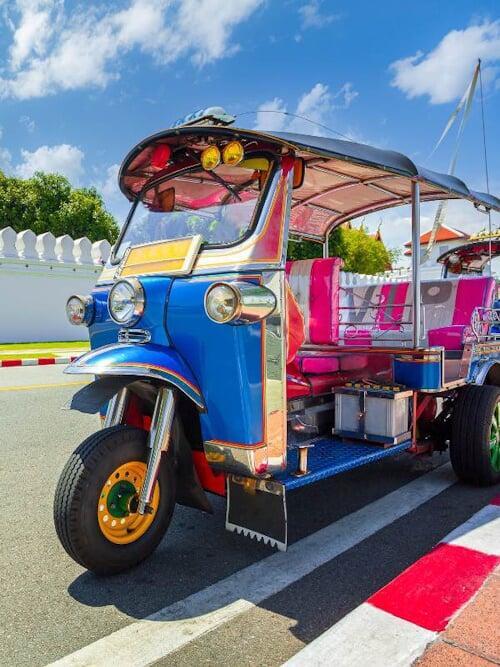
The first sequence, dedicated to Earth, takes the form of a journey by spacious electric tuk-tuk through six historic districts of Bangkok: Bang Rak, Talat Noi, Thon Buri, Dusit, Phra Nakhon, and Chinatown. Lasting approximately four hours, it allows participants to understand the city through its built environment, its urban development patterns, the diversity of its architectural influences, and the decisive contribution of different communities to the shaping of its urban landscape.
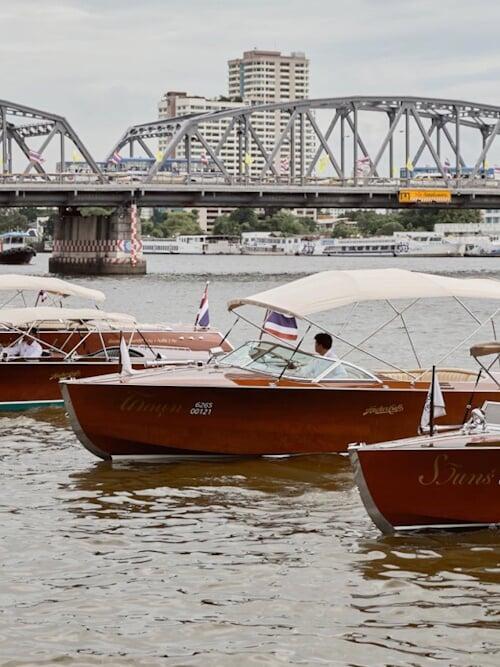
The second sequence, dedicated to Water, unfolds aboard a luxury Hacker-Craft-style boat, departing from and returning to The Peninsula. This two-hour round trip, between Krungthep Bridge in the south and Rama VIII Bridge in the north, places Bangkok back within its fluvial matrix. It returns to the modest origins of Bang Makok, when the Kingdom of Ayutthaya established an observation outpost on the left bank of the Chao Phraya — long before anyone could foresee the destiny that awaited it. From the river, the city reveals itself differently. The Chao Phraya is no longer merely scenery or a transport axis, but the very structure from which Bangkok emerged and asserted itself.
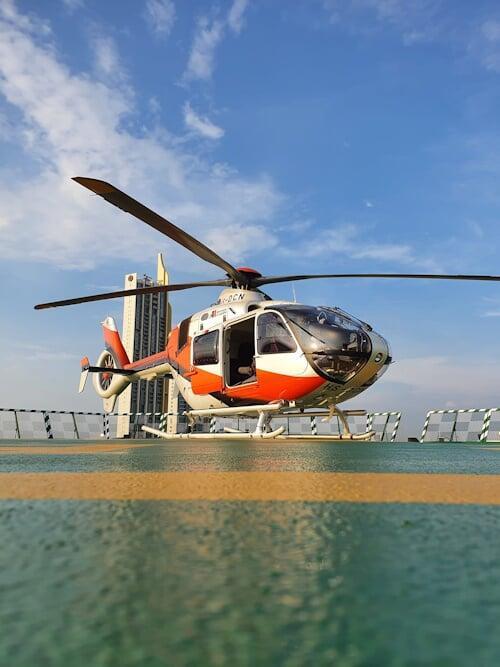
The third sequence, dedicated to Air, takes the form of a sunset helicopter flight departing from The Peninsula. Lasting one hour, it offers a panoramic reading of Bangkok, making it possible to grasp, on a grand scale, the historical density of the journey travelled over two and a half centuries, the authority imposed by infrastructure upon the urban landscape, and the multidirectional lines of force constantly pushing the ephemeral limits of the metropolis outward, under the benevolent gaze of the Buddha.
Tridimensional Bangkok is intended for travellers seeking a rare and elegant experience, one that is emotionally and intellectually stimulating, where the exclusivity of the means employed is matched by a deeper and more nuanced understanding of the Thai capital.
Bangkok-by-Night
Duration: 6 hours
Isaan — Northeast's vast open landscapes
Rock Around Isaan offers an in-depth exploration of northeastern Thailand, a region long overlooked by mainstream tourism and yet essential to understanding the diversity of Siam. Often reduced to a handful of clichés, Isaan reveals, to those willing to approach it with patience and attention, another Thailand: more rural, more open, quieter as well, where vast landscapes, enduring traditions, and layered cultural legacies come together to create a singular travel experience.
Here, expansive agricultural plains, villages, Mekong riverbanks, ancient sanctuaries, archaeological sites, and popular festivals shape a territory of remarkable cultural coherence. Lao influence remains deeply rooted, while Khmer heritage is still inscribed in the stone of temples and historical parks, recalling how far this civilisational sphere once extended beyond present-day borders. Added to this, in certain provinces along the Mekong, are more discreet traces linked to historic exchanges and to the French presence of the early twentieth century.
Rock Around Isaan has been conceived as an immersion into a region that is at once understated, vibrant, and profoundly endearing. The programme highlights the richness of local craftsmanship, the importance of silk and traditional arts, the enduring nature of local social life, and a more peaceful relationship with time than in other parts of the country. More than an itinerary, it is a journey of understanding, designed for travellers sensitive to culture, regional nuances, and the beauty of still-preserved landscapes.
Udon Thani (Isaan Stage 1)
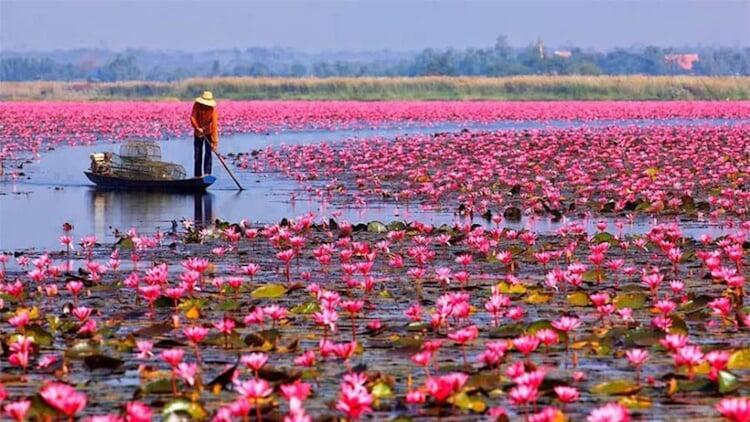
This initial two-day immersion is designed to offer a first encounter with Isaan, whose plains, in certain areas, evoke the neighbouring landscapes of Cambodia. It also introduces three sites still largely unknown to the general public: a major Buddhist complex linked to the Forest Buddhism tradition, the Phra Dhamma Visuddhimongkol complex; a vast lake seasonally covered with red lotus flowers and bordered by fishing villages, the Red Lotus Lake; and the major archaeological site of Ban Chiang, listed as a UNESCO World Heritage Site since 1992, whose importance is fundamental to the understanding of prehistoric Southeast Asia.
The first day begins with your arrival at Udon Thani Airport. It continues with a visit to the Phra Dhamma Visuddhimongkol Buddhist complex, an important spiritual centre closely associated with the Forest Meditation tradition. You then travel to a guesthouse located near the Red Lotus Lake. Depending on your arrival time, an exploration of the surrounding area offers a first glimpse of the region’s rural landscapes, before dinner at the guesthouse.
The second day begins with an early morning boat ride on the Red Lotus Lake, the ideal moment to appreciate the beauty of the site under the best light conditions. The journey then continues with a visit to the archaeological site of Ban Chiang, an essential reference point for the study of the earliest cultures of mainland Southeast Asia. At the end of the day, the route continues towards Sakon Nakhon, with an overnight stay halfway in a singular resort selected for the unusual character of its setting.
Sakon Nakhon (Isaan Stage 2)
11 sites to visit: Ban Don Koi Indigo Centre; Vilamas Ranch; Mann Gardens; the Khmer temple of Phra That Narai Cheng Weng; the Buddhist temple Wat Phra Phuttha Saiyaram; the Lotus Park of Kasetsart University; the Christian village of Tha Rae; the Buddhist temple Wat Phra That Choeng Chum Worawihan; the Khmer temple of Phra That Phu Phek; Nong Han Lake; and the Onson Distillery.
Travel by private vehicle.
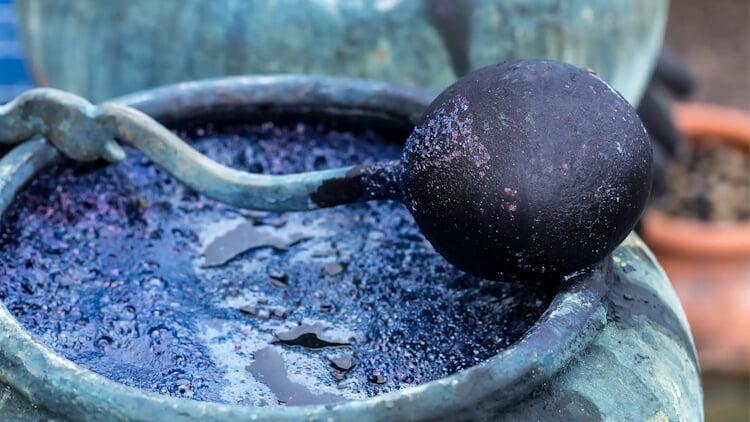
It pursues three main objectives: discovering local artisanal expertise, exploring a multi-faith religious heritage, and immersing oneself in the emblematic open landscapes of Northeast Thailand.
The programme first highlights Sakon Nakhon’s artisanal identity through the world of indigo, a major expression of the region’s textile heritage. Learning centres, eco-ranches, creative workshops, and boutique houses provide insight into the transmission of traditional skills, natural dyeing techniques, the adaptation of traditional patterns to contemporary uses, and initiatives promoting Thai craftsmanship launched by Queen Sirikit. This dimension is then broadened through the discovery of artisanal spirit production, revealing another form of regional revival rooted in local agricultural resources and the emergence of terroir-based productions with strong cultural value. The exploration of this local craftsmanship will take place through site visits and hands-on workshops.
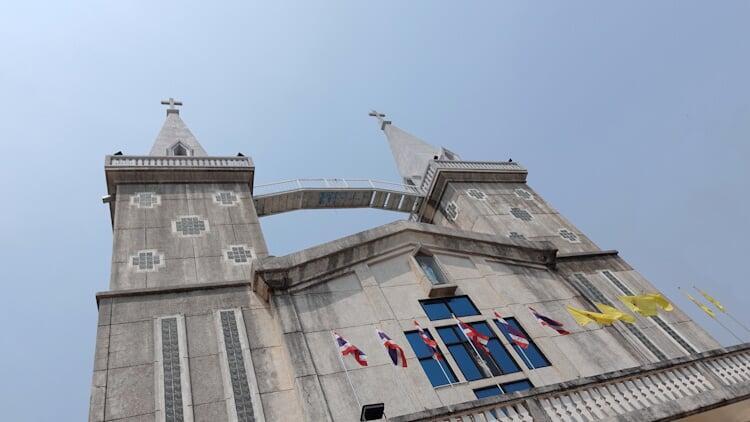
The itinerary then continues with the exploration of a particularly rich religious and historical heritage. The region’s Khmer sanctuaries recall Sakon Nakhon’s historical integration into the vast Khmer Empire, while several remarkable Buddhist temples in the city offer an introduction to the local spiritual traditions of this part of Isaan. In Tha Rae, the presence of a large Catholic community of Vietnamese origin, shaped by a French missionary heritage, introduces yet another historical layer still visible today through colonial architecture and religious buildings.
Nakhon Phanom (Isaan Stage 3)
8 sites to visit: Saint Anne Catholic Church of Nong Saeng; Former Governors’ Residence; National Library; Former Provincial Court; Thai–Vietnamese Memorial Clock Tower; Wat Phra That Phanom Buddhist Temple; Saint Joseph Parish of Samat; Ho Chi Minh House.
Travel by private vehicle, followed by a flight departure to your next destination.
Kanchanaburi — At the Crossroads of War
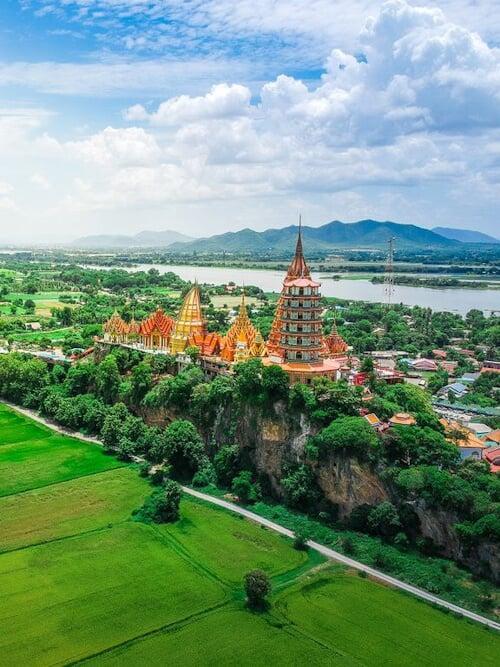
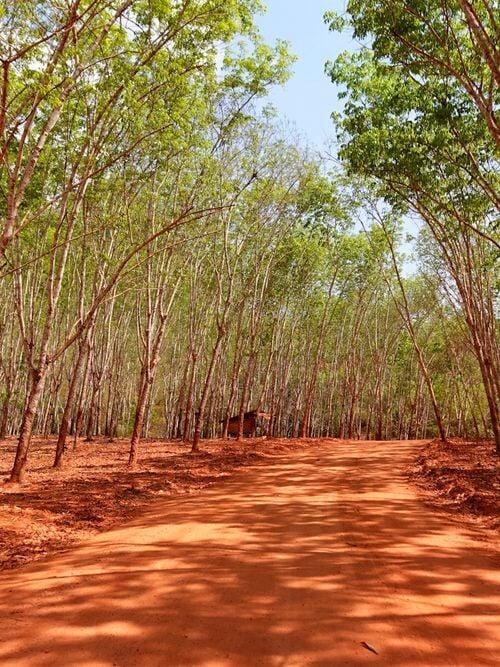
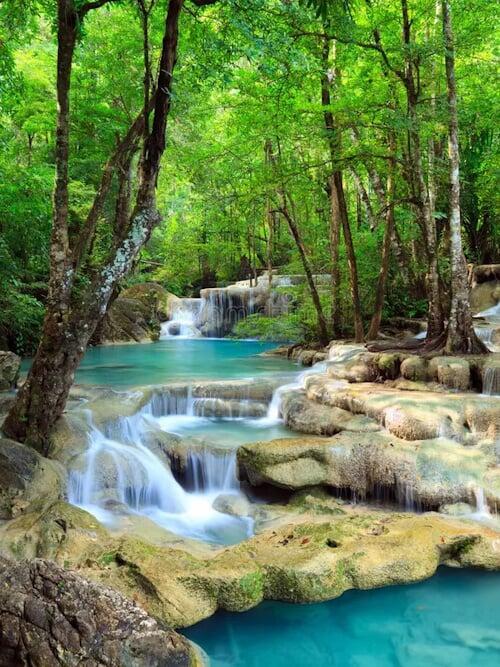
Kanchanaburi 1-day Escape
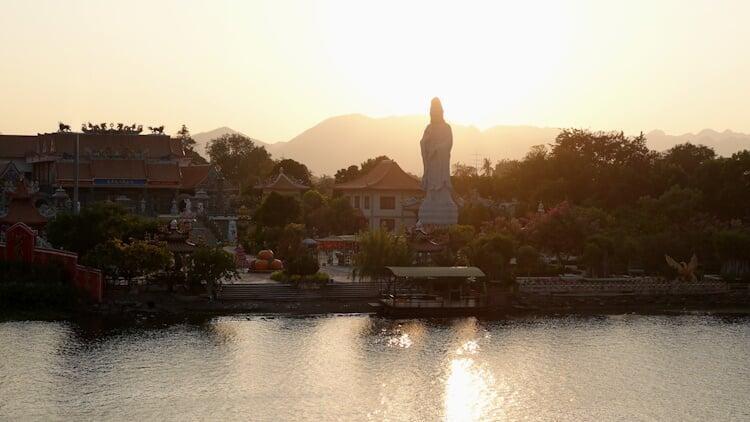
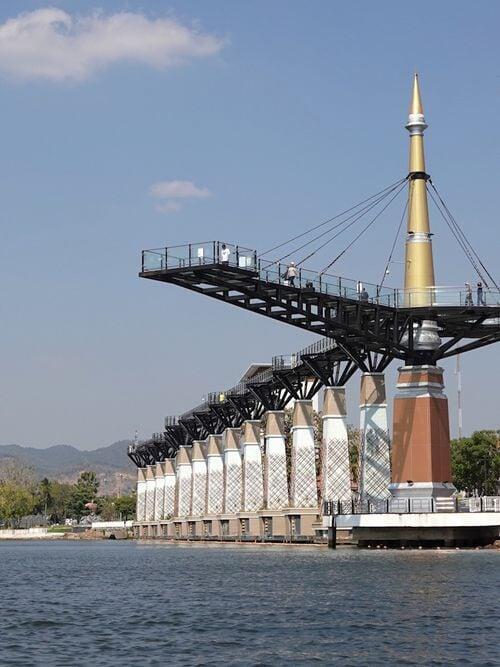
The journey then continues to the Kanchanaburi Skywalk, a panoramic walkway inaugurated in 2022 above the Khwae Yai River. Located at the confluence of the Khwae Noi and Khwae Yai rivers — which together form the Mae Klong River — this viewpoint offers a particularly clear perspective on the fluvial geography of the region.
A private speedboat excursion then provides an opportunity to approach Kanchanaburi through its river network, the true framework of the local landscape. The route reveals the landscaped riverbanks of the town, the Skywalk, the Bridge over the River Kwai, the historic district of Pak Phraek, several temples and Chinese pagodas, before reaching wider open horizons towards the reservoir lake.
The afternoon is devoted to the Thailand–Burma Railway Centre, a research and interpretation museum dedicated to the Thailand–Burma railway built during the Second World War through the forced labour of Allied prisoners of war and requisitioned Asian labourers. The visit rigorously examines the construction conditions, the geography of the project, and its devastating human cost, before placing the Bridge over the River Kwai within this internationally recognised memorial history.
The day concludes at Mueang Sing Historical Park, where the remains of an ancient fortified Khmer city dating from the 12th–13th centuries still survive, linked to the expansion of the Angkorian Empire under Jayavarman VII. Surrounded by moats and laterite walls, the site is an essential landmark for understanding the Khmer presence along the western margins of the former Angkorian world.
Kanchanaburi 2-day Escape
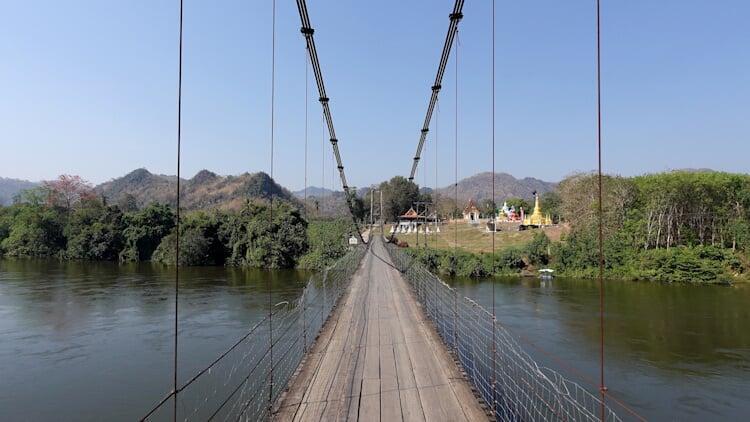
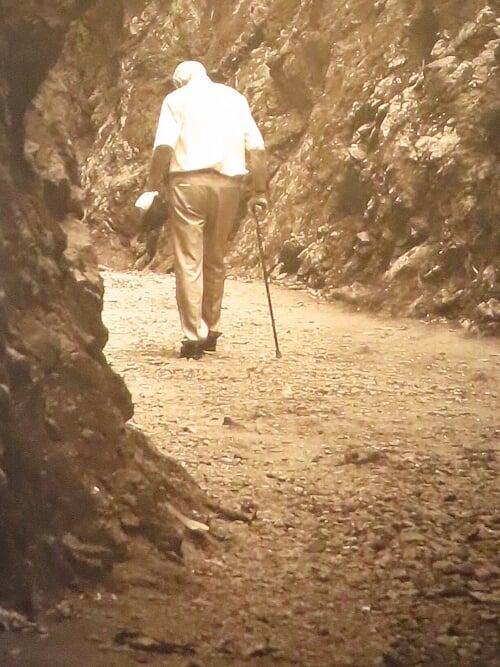
The itinerary first leads to the suspension bridge of Ban Hat Ngio, a modest structure spanning the Khwae Noi River in an environment seemingly withdrawn from the modern world. This site, remarkable in its simplicity, prepares visitors for the approach to the Hellfire Pass Interpretive Centre, dedicated to the Konyu Cutting trench, carved through the rock between 1942 and 1943 by Allied prisoners of war and conscripted Asian labourers under exceptionally brutal conditions. The centre presents, with great precision, the history of this construction site, now regarded as one of Kanchanaburi’s major memorial landmarks.
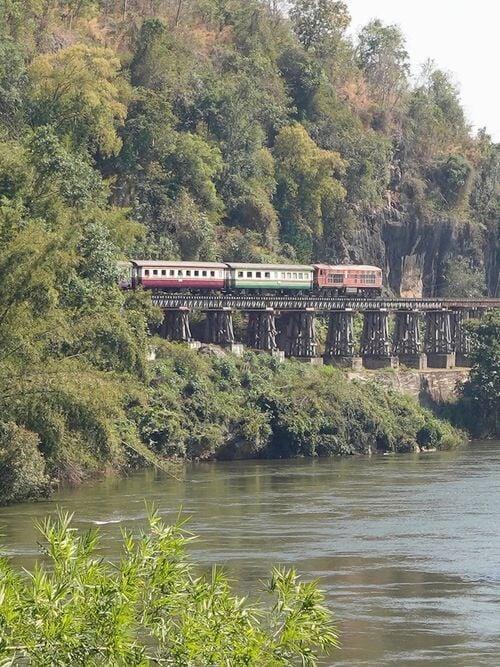
The morning concludes at Tham Krasae railway station, one of the most emblematic sections of the “Death Railway”. Built along the face of a cliff above the river, this spectacular passage fully conveys both the technical difficulty of the route and the immense human suffering it demanded.
Ayutthaya — The Glory of Siam
Ayutthaya Craftmanship Heritage Day
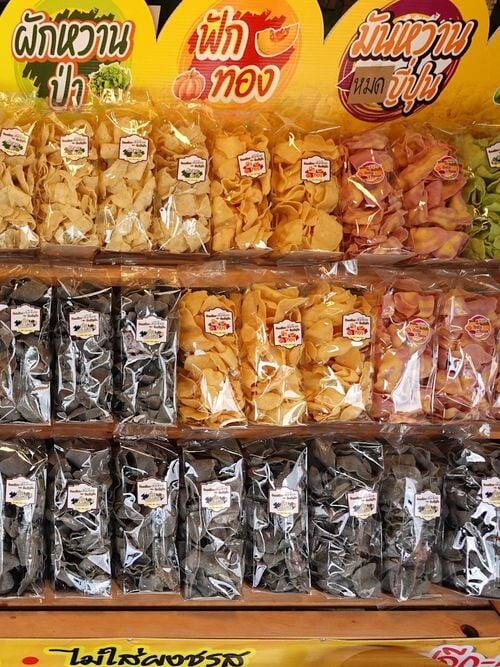
The journey begins at the Sustainable Arts and Crafts Institute of Thailand (SACIT), the leading institution devoted to the preservation of traditional crafts, the promotion of silk, the dialogue between tradition and design, and the transmission of Thai craftsmanship. This first stage provides an opportunity to explore the decisive role played by Her Majesty Queen Sirikit, notably through the SUPPORT Foundation, in revitalising traditional crafts and elevating them into expressions of cultural excellence.
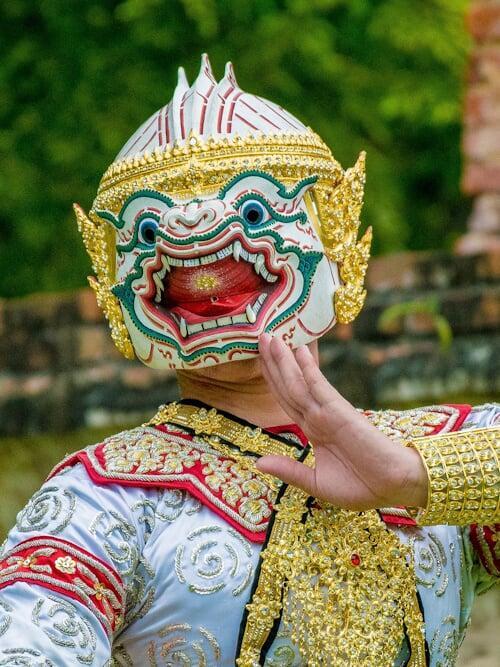
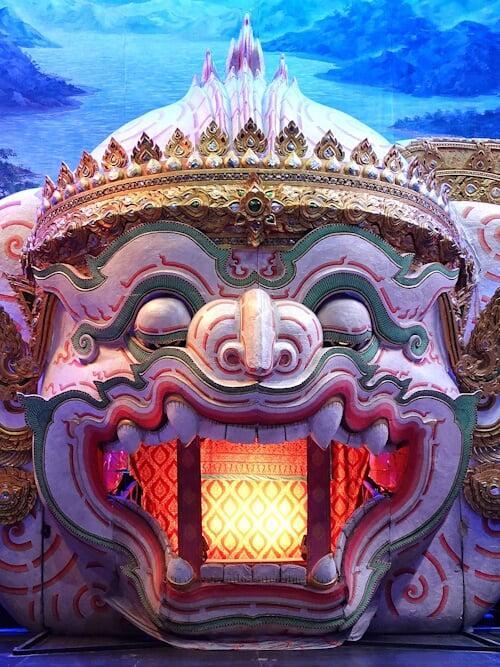
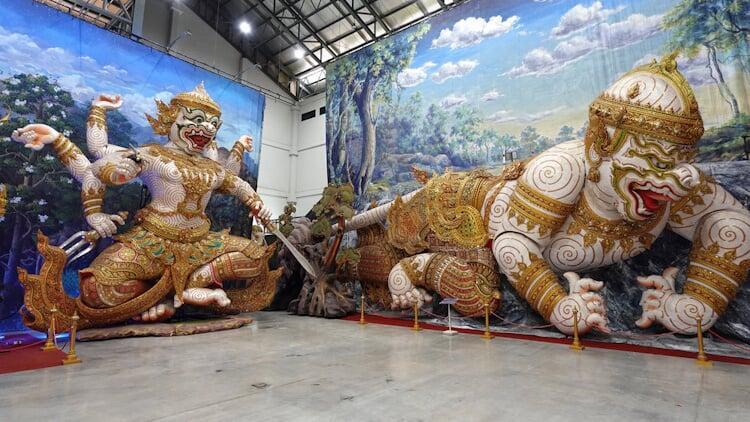
The visit then continues to the Khon Learning Center, dedicated to Khon, the spectacular masked dance-drama depicting episodes from the Ramakien. The centre offers an in-depth understanding of this court art form, where theatre, music, costume, choreography, and craftsmanship converge.
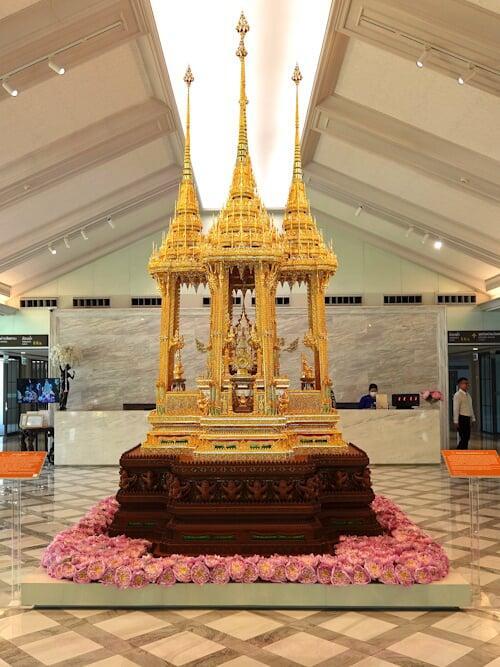
The itinerary then leads to the Arts of the Kingdom Museum, which brings together a remarkable collection of decorative works and creations produced by the country’s finest artisans for the royal family. This stage reveals, with rare precision, the extraordinary level of technical mastery, sophistication, and artistic excellence achieved by Thai decorative arts.
The day continues at Bang Pa-In Palace, an elegant 19th-century summer residence whose architecture subtly blends Thai, Chinese, and European influences.
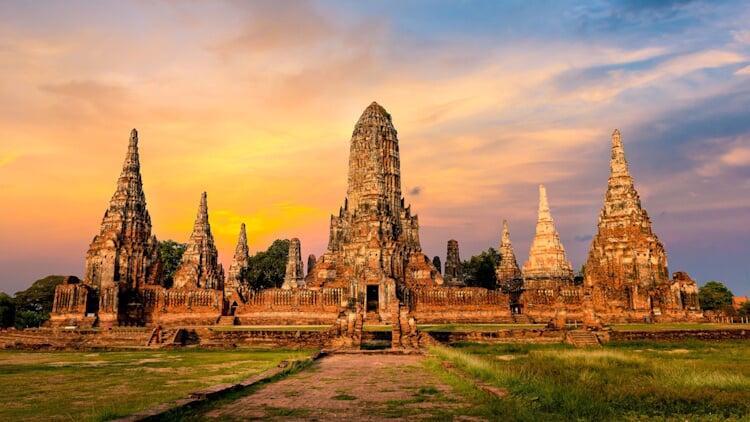
It concludes with a sunset cruise along the Chao Phraya River, punctuated by the discovery of three emblematic temples Wat Phanan Choeng, Wat Phutthaisawan, and Wat Chaiwatthanaram, offering a particularly evocative conclusion to this first immersion into Ayutthaya’s artistic heritage.
Ayutthaya Historical Heritage Day
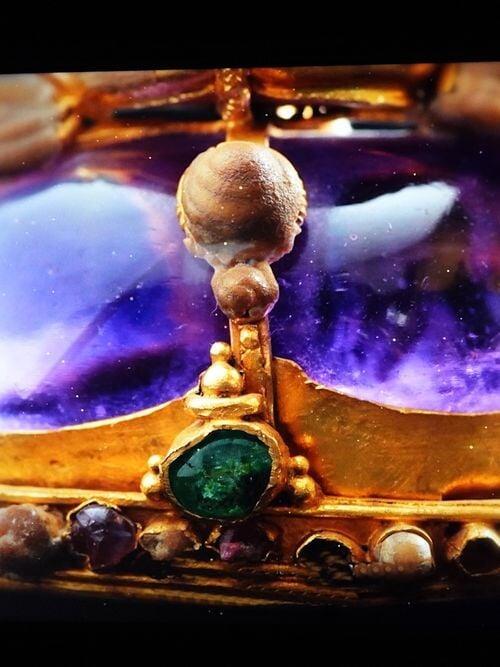
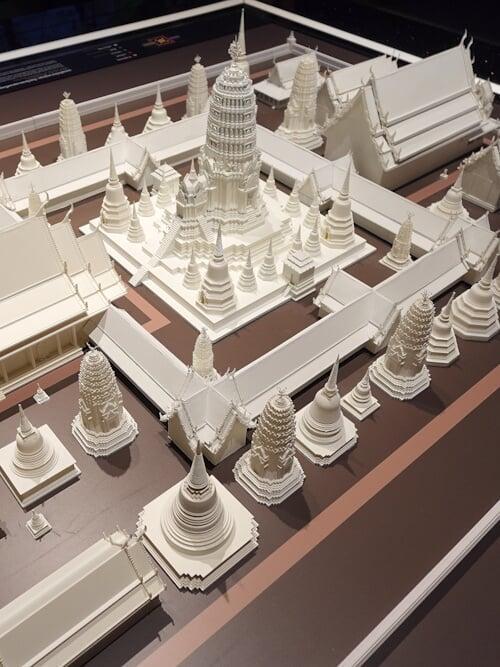
The visit to the Chao Sam Phraya National Museum, complemented by the Ayutthaya Gold Treasure exhibition, offers a particularly valuable introduction. The treasures uncovered during archaeological excavations, the scale models of sanctuaries at their height, the explanations devoted to sacred relics, and the reconstruction of the crypt of Wat Ratchaburana allow visitors to approach Ayutthaya in all its religious, artistic, and symbolic richness.
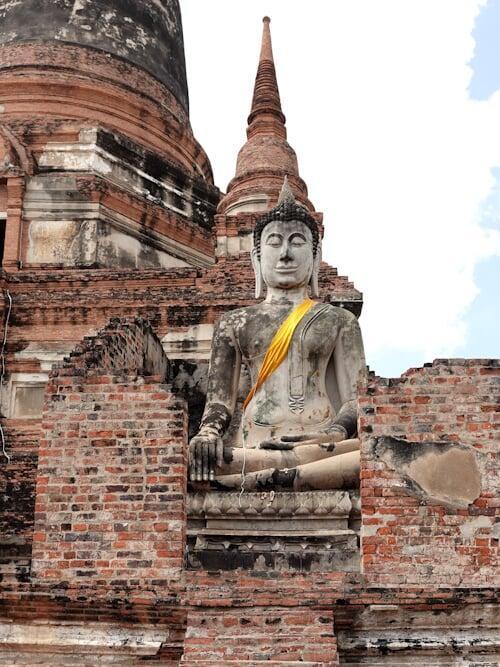
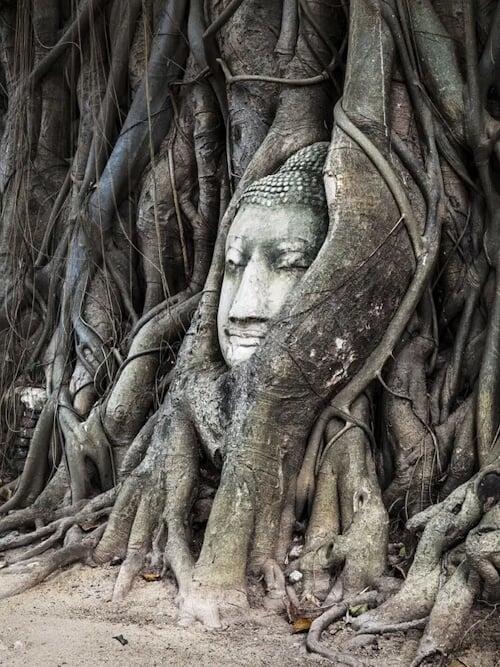
The itinerary then continues through the great sanctuaries of the classical period, including Wat Phra Si Sanphet, the former royal temple; Wat Mahathat, one of the site’s most emblematic monuments; and Wat Ratchaburana, remarkable for its prang and the significance of its painted remains.
The afternoon opens another essential perspective: that of a capital turned towards the world. The traces left by the Japanese, Dutch, Portuguese, and French communities serve as reminders that Ayutthaya was also an international centre of exchange, where commercial, diplomatic, religious, and cultural influences intersected.
Ayutthaya Diplomatic Heritage Day
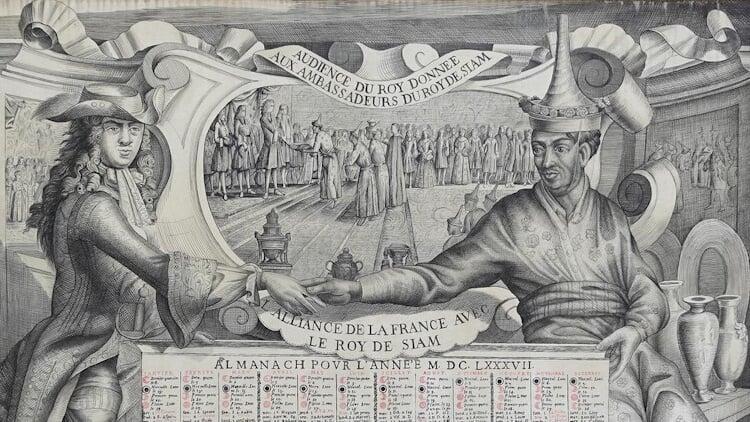
The itinerary includes Vichayen House, where the French envoys were received, as well as the King Narai National Museum, housed within the former royal palace. It continues with the exploration of several Khmer-influenced sanctuaries, including Wat Phra Si Rattana Mahathat and Phra Prang Sam Yod, which testify to the antiquity and historical complexity of Lopburi. This day connects diplomatic history with the history of the territory itself, evoking both the radiance of King Narai’s reign, the hopes of opening Siam to the West, and the court tensions that marked the years 1685 to 1688.
Some immersive cultural experiences
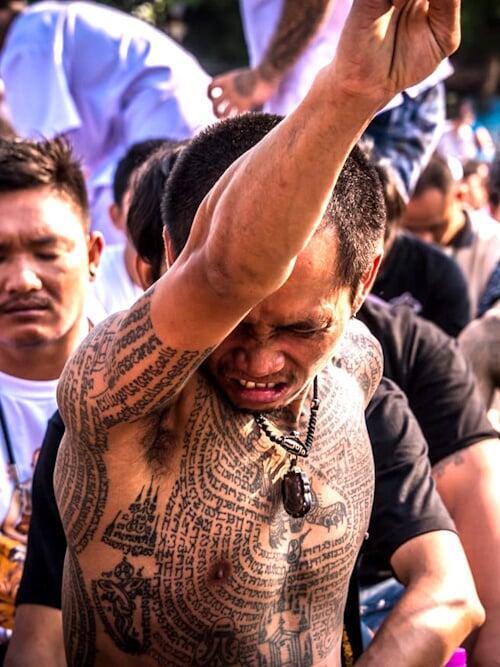
March | Nakhon Pathom (near Bangkok)
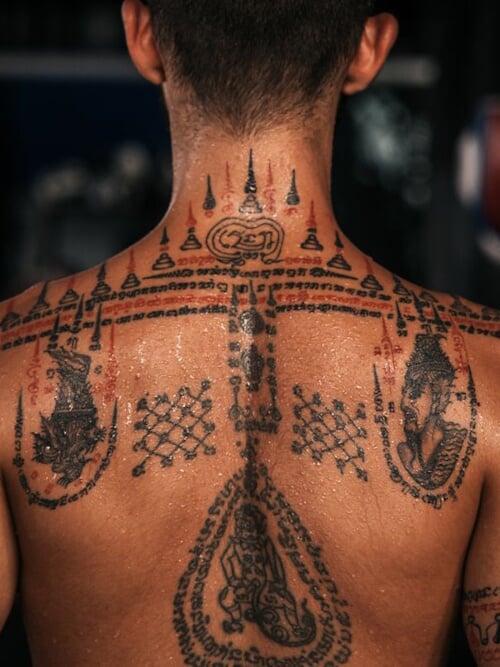
Thailand’s Sak Yant tattoo festival is best understood through its most important moment: the annual Wai Khru ceremony held at Wat Bang Phra in Nakhon Pathom, just outside Bangkok, typically in March. Thousands of devotees gather to pay tribute to their spiritual masters and to the sacred lineages of traditional tattooing. For those who wear a Sak Yant, the tattoo is believed to carry virtues of protection, good fortune, strength, and healing. During the festival, many come to have their tattoos blessed or “recharged”, while others receive new designs. The ceremony is also known for its most striking phenomenon: some participants enter trance-like states, at times embodying the animal associated with their tattoo. Yet for those present, this is not folklore staged for spectators. It is, above all, an act of devotion, spiritual protection, and loyalty to the teachings they have received.
March | Nakhon Pathom (near Bangkok)
Sak Yant is a sacred tattoo tradition of Southeast Asia, most closely associated with Thailand. The word sak means “to tattoo”, while yant refers to the yantra, a mystical diagram composed of geometric forms, Pali or Khom inscriptions, protective animals, and sometimes deities. Far more than decoration, a Sak Yant is believed to confer protection, strength, good fortune, authority, or charisma, provided its wearer respects a set of moral disciplines traditionally linked to the tattoo. Each design carries a specific intention: warrior protection, allure, invulnerability, success, or self-mastery. Sak Yant is traditionally administered by Buddhist monks or by ritual masters known as ajarn, in temples or dedicated sanctuaries. The act itself is typically accompanied by prayers, mantras, and a blessing that gives the tattoo its spiritual and religious dimension. During the Wai Khru ceremony, devotees return to have the spiritual power of their yant reawakened. Wat Bang Phra remains one of the most renowned places in Thailand for this practice.
June (dates follow the local lunar calendar) | Loei (North)
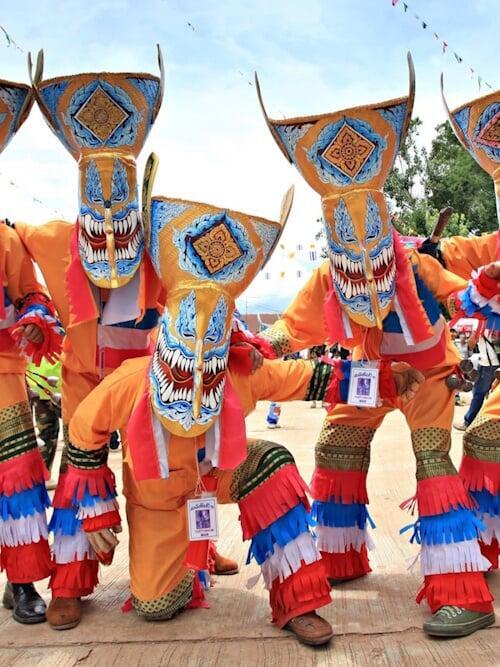
Held in Dan Sai, in Loei Province, Phi Ta Khon is among Thailand’s most distinctive festivals. It forms part of Bun Luang, a major merit-making celebration that weaves together Buddhist traditions and local beliefs. The festival is renowned for its striking masks and vibrant costumes worn during the processions. These masks are traditionally crafted from humble, locally sourced materials, most notably bamboo sticky-rice steam baskets, coconut-palm elements, and soft wood. Once darker in tone, often marked with soot and paired with repurposed clothing, the masks have gradually become more colourful over time, without losing their deep community roots. Phi Ta Khon is frequently linked to the story of Prince Vessantara’s return, said to have been celebrated with such exuberance that it could awaken the dead. Today, the festival offers a rare gateway into Isan’s ritual world: spirit mythology, Buddhist merit, local craftsmanship, visual satire, and a powerful sense of place.
May (pre-monsoon) | Yasothon (Isan)
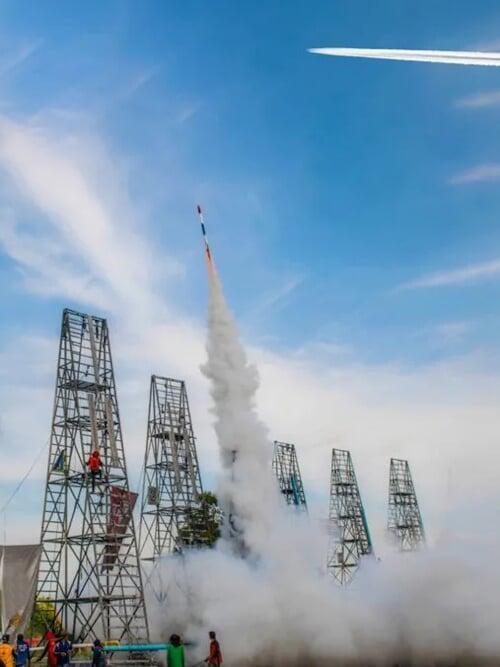
Bun Bang Fai, the renowned Rocket Festival, is one of Isan’s most striking traditions, held just before the arrival of the monsoon, most often in May, and celebrated with particular intensity in Yasothon. Rooted in agrarian life, the festival is traditionally performed to call for rain, reminding Phaya Thaen, the rain deity, of his promise to nourish the rice fields. Its origins reach back to ancient fertility rites that predate today’s Buddhist framework, although Bun Bang Fai now unfolds within a calendar of merit-making and village sociability. In the weeks leading up to the festival, communities craft elaborate handmade rockets, then bring the town to life with processions, music, dance, and spirited competitions, before the dramatic launches that form the celebration’s crescendo. Bun Bang Fai offers a vivid reading of rural Thailand through its seasonal dependencies, popular cosmologies, and deeply cooperative forms of collective life. For a curated catalogue, it is a powerful festival: spectacular, yes, but above all rich in meaning, weaving together agriculture, belief, humour, technical creativity, and community cohesion into a single ritual sequence.
July (Buddhist Lent) | Ubon Ratchathani (Isan)
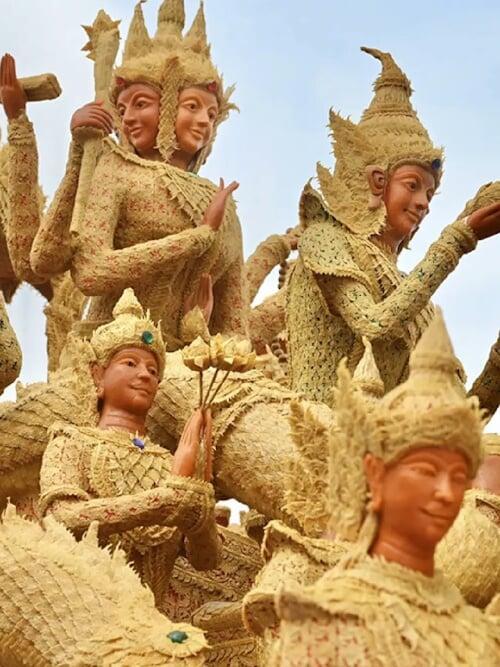
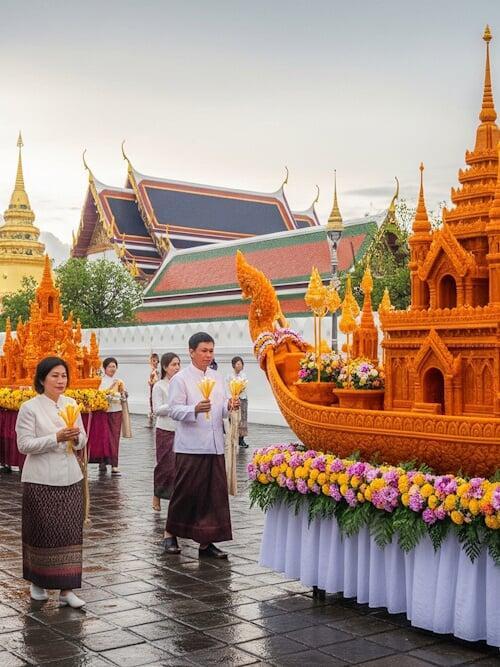
The Ubon Ratchathani Candle Festival is one of Northeast Thailand’s most celebrated Buddhist traditions. It takes place around Asalha Bucha and Khao Phansa, two important dates that commemorate, respectively, the Buddha’s first sermon and the beginning of the annual Rains Retreat, when monks remain in their monasteries for three months. The custom began simply: devotees would offer candles to temples so monks could study after dark during the retreat. Over time, this act of merit evolved into a spectacular form of monumental artistry. Today, intricately carved wax sculptures, often several metres long, are mounted on elaborately decorated floats and paraded through the city to the rhythm of traditional music, accompanied by costumed dancers. While similar celebrations exist elsewhere in Thailand, Ubon Ratchathani’s festival is unmatched in scale and craftsmanship. It brings together religious devotion, masterful artisan skill, procession aesthetics, and strong regional pride, an exceptional window into the relationship between Buddhism, ephemeral sculpture, local transmission of know-how, and Thai visual culture.
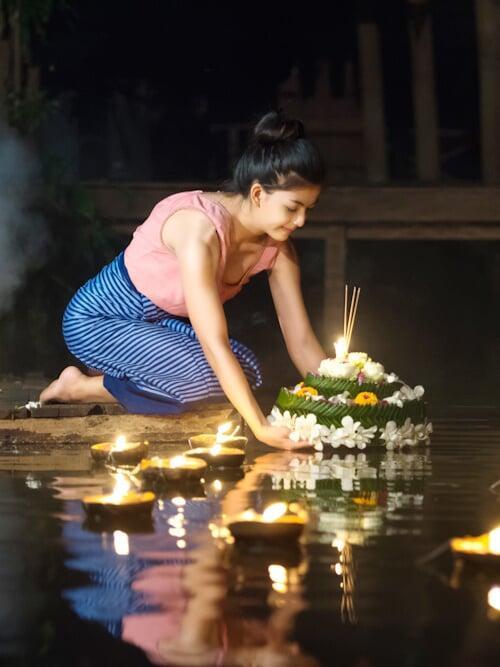
Full Moon of November | Across Thailand
Loy Krathong is celebrated on the full moon of the twelfth month in the Thai lunar calendar, usually in November. At the heart of the ritual is the releasing of small floating offerings, krathong, set upon the water. Traditionally crafted from banana tree trunk and leaves, they are adorned with flowers, a candle, and incense sticks. The festival expresses gratitude to water, often personified as Phra Mae Khongkha, and is also a moment to ask forgiveness for any careless or disrespectful use of rivers, canals, and waterways. According to popular belief, letting a krathong drift away can also carry off misfortune, mistakes, or unseen inner burdens. More than a postcard-perfect spectacle, Loy Krathong sheds light on Thailand’s long relationship with water: the rhythms of hydraulic life, the refinement of plant-based craftsmanship, and the pursuit of ritual merit. Celebrations may include Buddhist ceremonies, performances, local fairs, and competitions, yet their deepest meaning remains unchanged: a gesture of thanks to water, and a symbolic new beginning.
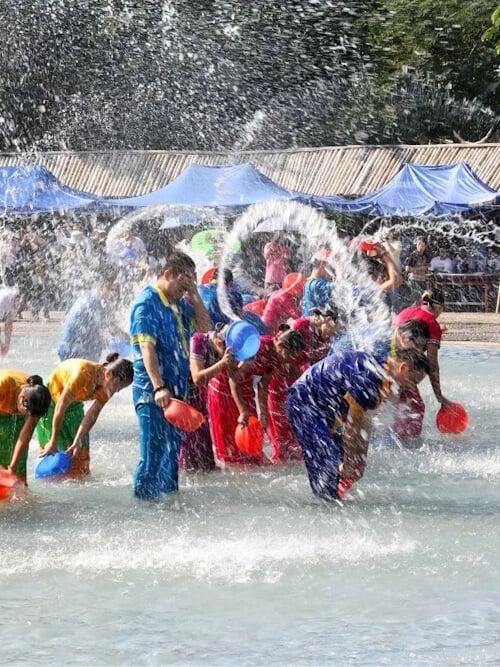
13–15 April | Across Thailand
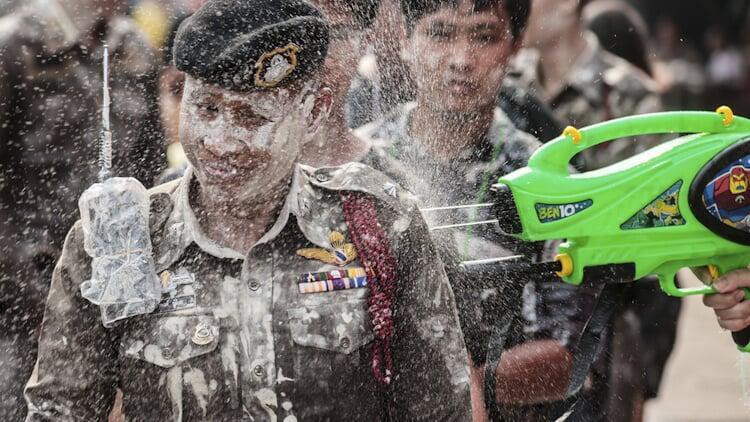
Songkran is Thailand’s traditional New Year, celebrated in mid-April as the sun enters Aries. Far beyond the famous water play, it is first and foremost a family and ritual celebration. Thais gather to pay respect to elders, honour ancestors, cleanse Buddha images, and perform rod nam dam hua, the gentle pouring of water as a gesture of reverence and a request for blessings. Here, water symbolises purification, renewal, and good fortune for the year ahead. Observed nationwide, Songkran takes on distinctive local expressions depending on the region, the city, and the temple. For a curated cultural catalogue, it offers the rare advantage of being instantly recognisable while inviting a more demanding cultural reading: intergenerational transmission, Buddhist merit-making, agricultural seasonality, and Thailand’s symbolic relationship with water. In 2023, “Songkran in Thailand, traditional Thai New Year festival” was inscribed on UNESCO’s Representative List of the Intangible Cultural Heritage of Humanity.
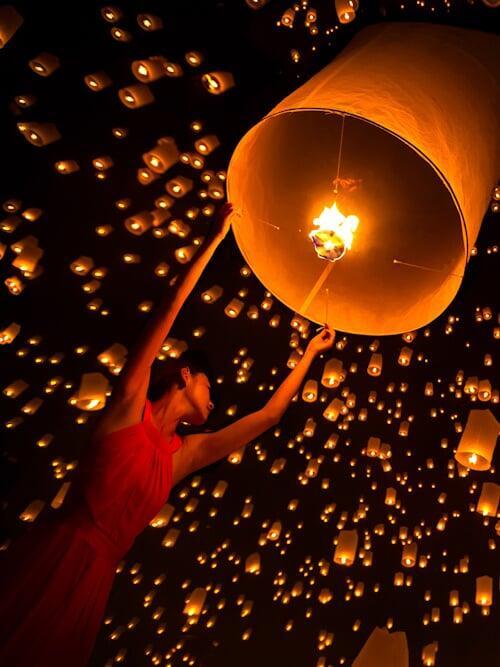
November | Chiang Mai (Northern Thailand)
Yi Peng is Northern Thailand’s most iconic festival of light, closely associated with Chiang Mai and the legacy of the former Lanna kingdom. It takes place on the full moon of the second month of the Lanna lunar calendar, typically in November, at the same time as Loy Krathong elsewhere in Thailand. In its traditional form, Yi Peng is far more than a lantern release. It is a religious and communal celebration rooted in homage to the Buddha, sacred relics, and those who have supported the community. Families prepare offerings, neighbourhoods gather at temples, and homes and streets are adorned with hanging lanterns. Small clay lamps, phang pratheep, are lit as symbols of gratitude, prosperity, and spiritual elevation. The khom loy, paper lanterns released into the night sky, also carry a deeper meaning: the letting go of misfortune, burdens, and the weight of the passing year. For a curated journey, Yi Peng is an exceptional gateway into Lanna aesthetics, Buddhist devotion, and the civic spirit that binds the city together.
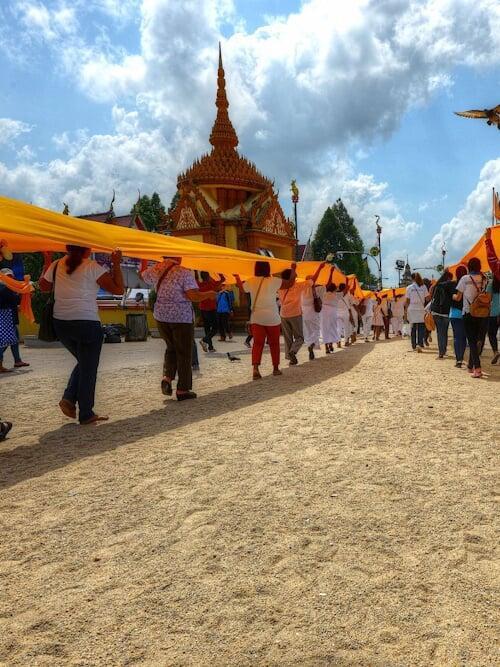
February–May (dates vary) | Nakhon Si Thammarat (South)
Hae Pha Khuen That is a sacred tradition unique to Nakhon Si Thammarat in Southern Thailand, most often observed around Makha Bucha in February. Its central act is the procession of an exceptionally long piece of yellow cloth, known as the Phra Bot, which is then ceremonially wrapped around the great stupa at Wat Phra Mahathat Woramahawihan, believed to enshrine revered Buddha relics. Local devotees collectively sponsor the fabric panels, which are sewn into one continuous band that can extend for thousands of metres. The offering symbolises presenting a robe to the Buddha, made tangible through the relic enshrined within the chedi. Deeply significant in the religious history of Southern Thailand, the ceremony weaves together pilgrimage, communal devotion, ritual craftsmanship, and an urban procession shaped by centuries of living faith. For a cultural catalogue, Hae Pha Khuen That stands out as a powerful proposition: a solemn, profoundly local tradition focused not on spectacle, but on participation, the materiality of the rite, and the continuity of belief passed down over generations.
October (end of Buddhist Lent) | Surat Thani (South)
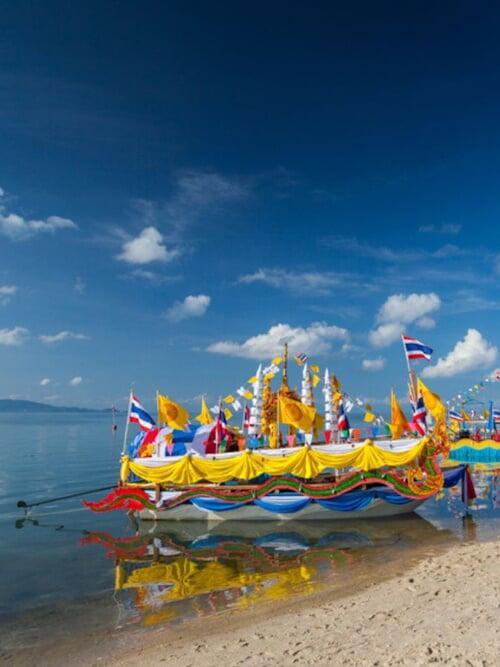
Chak Phra, literally “Pulling the Buddha", is one of Southern Thailand’s most significant Buddhist festivals, held at the close of the rainy-season retreat (Buddhist Lent), typically in October. It commemorates the Buddha’s return to earth after a sojourn in the heavens. Depending on the location, celebrations unfold as either land or river processions. Revered Buddha images are placed on lavishly decorated floats or boats, then drawn forward by the community using long ropes. The gesture is far more than ceremonial: it is a collective act that affirms solidarity around the temple and a shared ritual heritage. Across several southern provinces, Chak Phra is often accompanied by long-boat races, merit-making ceremonies, offerings to monks, and local festivities. For travellers, it offers a rare window into a lesser-known South, where religious traditions are expressed through water, movement, and communal participation. A deeply rooted and distinctly regional celebration, Chak Phra is particularly well suited to a curated catalogue of authentic, place-specific cultural festivals.
February–March | Roi Et (Isan)
Boon Pha Wet is one of Isan’s major Buddhist festivals, and holds particular significance in Roi Et. It commemorates the Vessantara Jataka, the final life of the future Buddha before his last rebirth. At its heart is the public recitation of the Mahachat sermons, a long and foundational narrative in the Theravāda tradition, celebrated for its moral force and its exemplary vision of generosity. In Roi Et, the festival combines merit-making ceremonies, collective sermon listening, and large-scale processions depicting key episodes of the story. Local parades often honour the thirteen chapters of the Mahachat, drawing strong participation from the community. A distinctive marker of the celebration is the shared enjoyment of khao poon, festive rice noodles closely associated with the event. Less known internationally than other Thai festivals, Boon Pha Wet is a compelling addition to a cultural itinerary: it offers rare access to a narrative, communal form of Buddhism, deeply embedded in Isan’s religious memory. It is, above all, a festival of listening, procession, teaching, and regional cohesion.
March to May | Mae Hong Son (North-West)
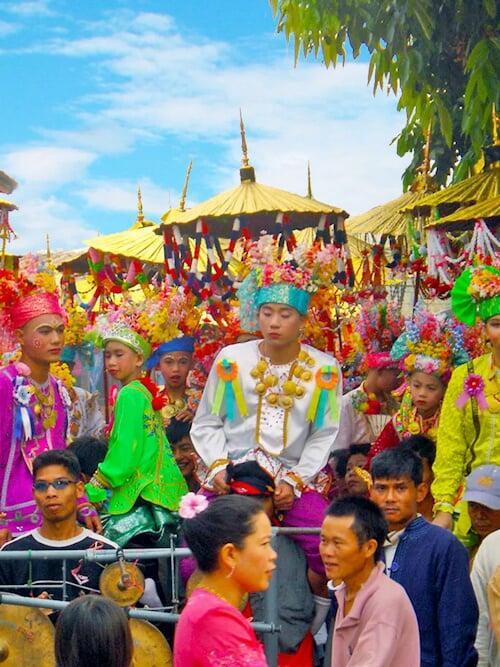
Poi Sang Long is among the most striking novice-ordination ceremonies in North-West Thailand, deeply rooted in the Tai Yai (Shan) communities of Mae Hong Son. Over several days, boys, typically aged seven to fourteen, are prepared for monastic life and formally ordained as novices in a ritual that combines pageantry with profound spiritual meaning. Before the ordination itself, the boys are dressed like princes, echoing Siddhartha before his renunciation. In vivid, celebratory processions, they are carried on the shoulders of adults through the community, surrounded by music, dancers, and lavish costumes. The atmosphere is festive and spectacular, yet the ceremony’s deeper purpose is the boy’s entry into Buddhist discipline, an act believed to generate merit and honour his parents. Poi Sang Long offers a rare lens on Thailand’s cultural complexity: the power of family merit, the country’s ethnic diversity, and the way an ordination tradition can become a defining regional marker. For anyone seeking to understand Thailand beyond the familiar, it is a remarkable window into Shan heritage and the rich plurality within Thai Buddhism.
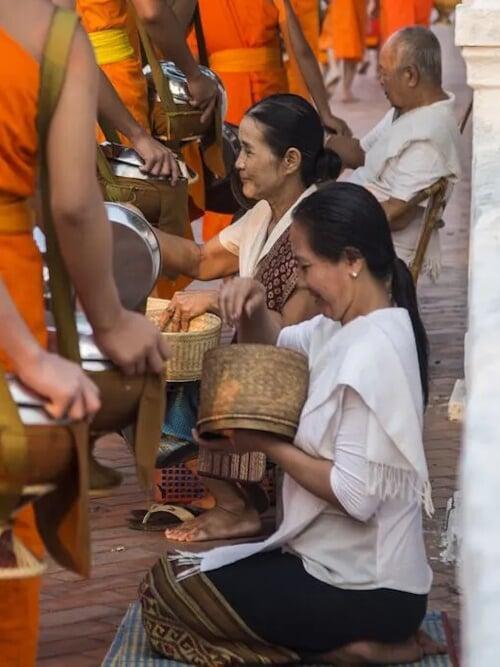
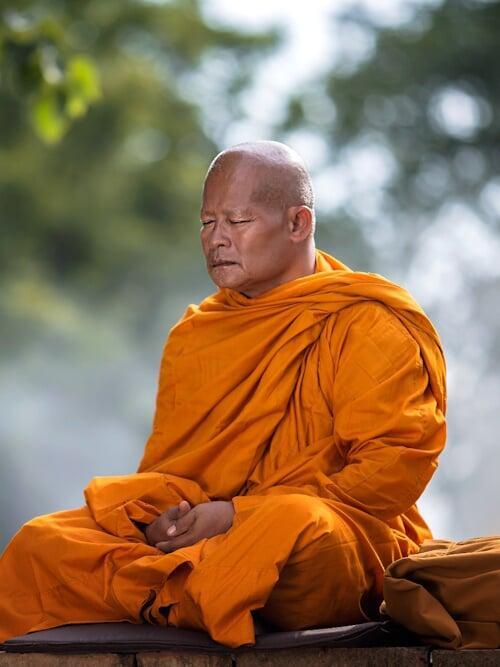
Taking part in the morning alms offering is one of the most direct ways to enter the everyday ritual life of Thai Buddhism. Before sunrise, monks step out barefoot on their alms round, moving quietly through neighbourhood streets as local residents place rice, prepared dishes, drinks, or essential goods into their bowls. The gesture is simple, yet its cultural meaning is profound: it links lay life to monastic life, expresses tangible support for the religious community, and belongs to the logic of merit-making, a central principle of Buddhism as it is lived in Thailand. This experience requires very little staging and a great deal of attention: how to kneel, modest attire, discretion, a willingness to listen to the silence, and the respectful reception of a blessing. It is not a spectacle, but a moment of collective discipline and humility. For anyone seeking to understand Thailand, it is a rare immersion into the country’s everyday moral rhythm.
Experiencing meditation in a Thai temple moves you beyond a purely heritage-based visit and into an inner practice at the heart of Theravāda Buddhism. Thailand is home to many temples and meditation centres where you can be introduced to meditation, sometimes for a few hours, sometimes over several days, in a simple, disciplined setting combining seated practice, walking meditation, silence, breath observation, and the listening of teachings. The value of such an experience is not only spiritual. It offers a clear insight into the importance of self-discipline, self-mastery, and mental training within Thai religious culture. In certain places, such as Wat Mahathat in Bangkok, meditation also unfolds within a historically significant environment dedicated to Buddhist study. This kind of immersion changes the way you perceive temples: you no longer enter merely to observe, but to practise, slow down, and grasp what the presence of Buddhism truly means in Thai daily life.
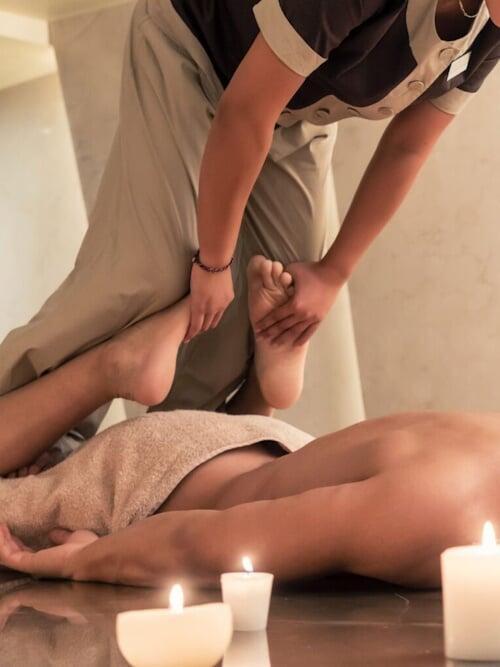
Experiencing an authentic Nuad Thai is not simply “having a massage” in the touristic sense of the word. Recognised by UNESCO as Intangible Cultural Heritage, Nuad Thai sits at the crossroads of art, science, and Thailand’s traditional healing culture. The practice combines rhythmic pressure, assisted stretching, joint mobilisation, and precise manipulations designed to rebalance the body through an energy-based reading structured around the sen lines and the four elements. The immersion lies as much in feeling the treatment as in understanding the worldview behind it. Received in a reputable school, a traditional medicine centre, or a temple connected to this lineage, Nuad Thai opens a window onto a Thailand where wellbeing, embodied transmission, and popular therapeutic knowledge meet. It also reveals the deep link between care and respect: the deliberate slowness of gestures, the practitioner’s discipline, and a holistic conception of health that remains profoundly rooted in Thai culture.
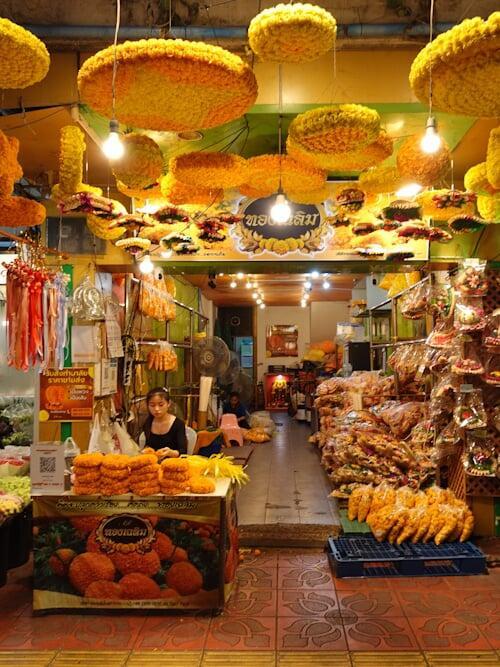
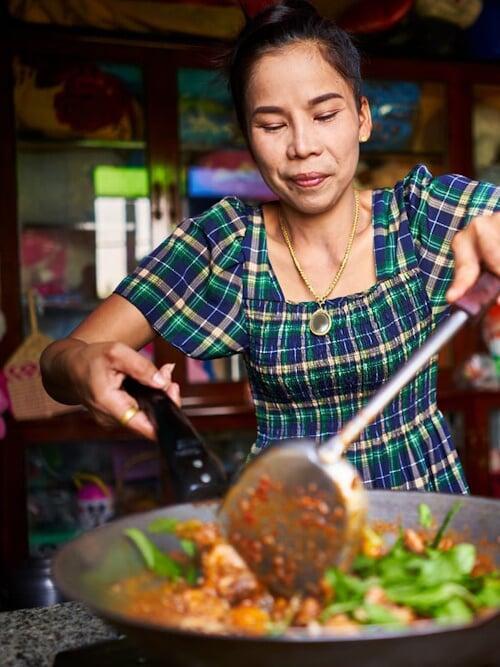
A truly immersive culinary experience rarely begins behind a worktop. It starts in a market, among aromatic herbs, curry pastes, vegetables, sauces, dried seafood, mortar and pestle, and the quiet logic of how each stall is arranged. Thai cuisine is the outcome of regional heritages, centuries of trade, family traditions, and a highly developed sensibility for balance, salty, sour, sweet, spicy, and bitter held in deliberate tension. Preparing a few emblematic dishes after learning to identify lemongrass, galangal, kaffir lime leaves, Thai basil, palm sugar, and fermented sauces reveals cooking as a complete cultural system, not merely a set of recipes. The example of tom yum kung, recognised by UNESCO in 2024, captures this perfectly: transmission lies as much in the preparation and treatment of ingredients as in the gesture of cooking itself. A well-designed cooking class is therefore not an optional diversion. It is a direct initiation into Thailand, through the hand, the sense of smell, memory, and the underlying logic of taste.
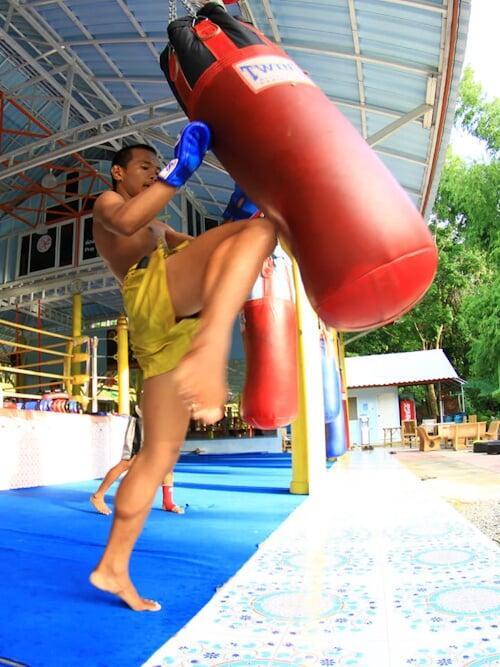
Muay Thai can, of course, be approached as a combat sport. Yet a serious initiation reveals something deeper: a culture shaped by respect, endurance, and transmission. Before any strikes, there is the learning of salutations, the relationship to the kru (master), bodily discipline, and the wai khru ritual performed before fights to honour teachers, parents, and one’s training lineage. In a local camp, the immersive value is not limited to hitting pads or drilling combinations. It lies in observing the training ethos, the quiet hierarchy among students, the Thai technical vocabulary, the importance of rhythm, and the way a national art remains rooted in community practice. Muay Thai becomes, in this sense, a remarkable gateway into Thailand, where physical mastery is never entirely separated from respect, ritual, loyalty to the teacher, and the moral formation of the self.
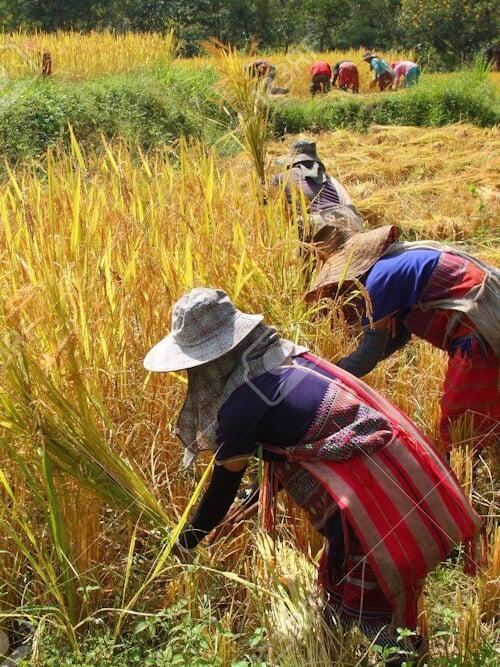
Spending a few hours, or a few days, alongside a rice-growing community opens a direct path into one of Thailand’s most essential cultural worlds. Rice is not merely an agricultural product or a staple food: it is woven into seasonal knowledge, precise technical gestures, local beliefs, protective rites, and a profound understanding of the bond between land, water, work, and prosperity. The tradition of Tum Khwan Khao, the ceremony that “calls back the soul of the rice”, illustrates how the grain is regarded as carrying a living presence: something to respect, accompany, and thank. A rural immersion may include preparing seedlings, reading the plots and irrigation patterns, transplanting, harvesting, rice-based cooking, and an introduction to local rituals and their meanings. More than a hands-on experience, this is a cultural encounter that gives depth to Thailand’s agricultural landscapes, and reveals why the rural world, even as it evolves, remains central to the national imagination and to enduring values of subsistence and continuity.
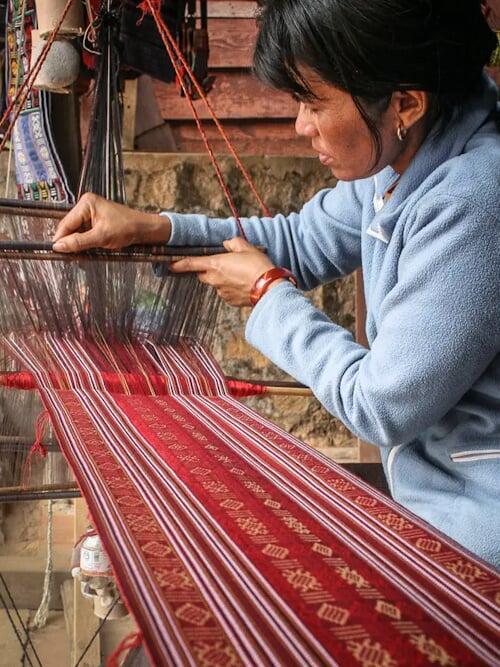
Thai traditional textiles are a world of their own. From one region to another, artisans work with silk, cotton, or hemp, combining distinctive weaving techniques, identity-rich patterns, and dyeing processes often rooted in local plants. Entering a workshop, or a village of master weavers, reveals that cloth is far more than decoration: it is memory, social status, household economy, feminine transmission, and a marker of place. Natural dyes may be drawn from fruits, bark, flowers, and wood, each requiring time, precision, and an intimate knowledge of materials. In the Northeast (Isan), techniques such as mat mii rely on a meticulous resist-dye process applied to the threads before weaving, allowing complex motifs to emerge on the loom with remarkable clarity. Watching the gestures, feeling the fibres, understanding preparation times, and decoding the logic behind the patterns fundamentally changes the way one sees Thai textiles. This immersion opens a door to a Thailand that is patient, artisanal, and deeply devoted to the cultural value of craftsmanship.
Discovering Khon in the right conditions, ideally with an introduction to the masks, codified gestures, costumes, and music, is one of the most illuminating immersions into Thailand’s classical imagination. Inscribed on UNESCO’s Intangible Cultural Heritage list in 2018, Khon is far more than a dance performance: it weaves together literature, music, chanting, ritual, disciplined movement, and craftsmanship. Its stories, drawn from the Ramakien (Thailand’s national epic), stage themes of order, loyalty, conflict, strategy, and justice, embodied by characters instantly recognisable through their ornate attire and masks. A truly immersive experience might take the form of a guided rehearsal, a brief introduction to key postures, a meeting with a mask-maker or costume artisan, or a performance presented with the cultural context that makes it resonate. Khon reveals how Thailand shaped a refined court culture, an elegant vocabulary of the body and an aesthetic of detail that extends far beyond the stage. It offers rare insight into both the history of the arts and Thailand’s symbolic language of power.
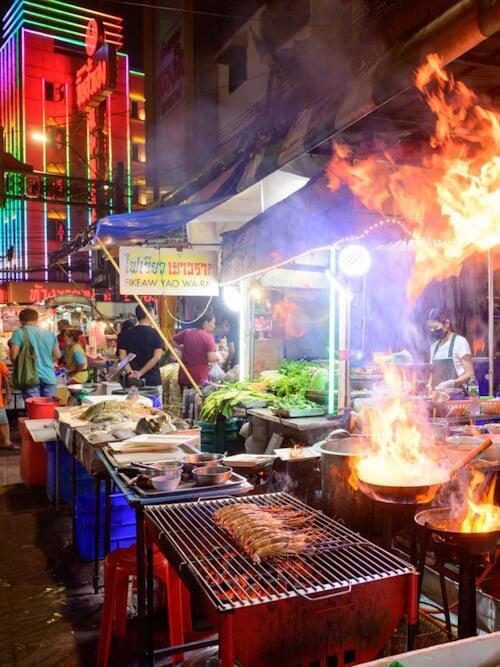
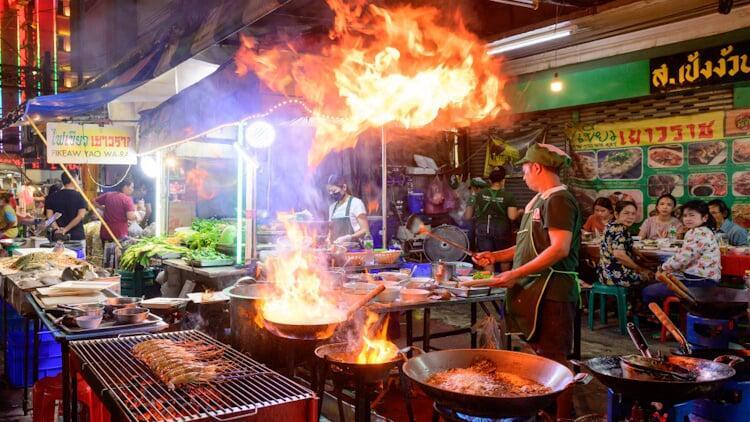
Thai street food is not simply a succession of well-known addresses. It is a way of inhabiting the city: eating quickly or lingering, passing down recipes, and allowing family heritage, regional cuisines, and modern urban life to coexist in the same public space. As the Thailand Foundation notes, Thai cuisine moves from the family table, or even the royal table, to the street without losing its refinement; and street specialities range from noodles and grilled skewers to far more elaborate preparations. A truly rewarding immersion is therefore not only about tasting, but about reading neighbourhoods through their stalls: their rhythms and opening hours, the people they attract, the cooking techniques, and the codes of everyday use. You begin to see how Thailand’s public realm also functions as a culinary landscape. The experience becomes particularly vivid in the evening, when food shapes the flow of the streets, encounters, conviviality, and the intimate, sensory geography of an entire district.
Practical Information

Choosing the right time
Security and risks